Guangzhou Attractions 4 min read
Sun Yat-sen Memorial Hall
The Sun Yat-sen Memorial Hall stands as a magnificent tribute to Dr. Sun Yat-sen, the revolutionary leader who shaped modern China.
Introduction: Discovering the Legacy of Sun Yat-sen Memorial Hall
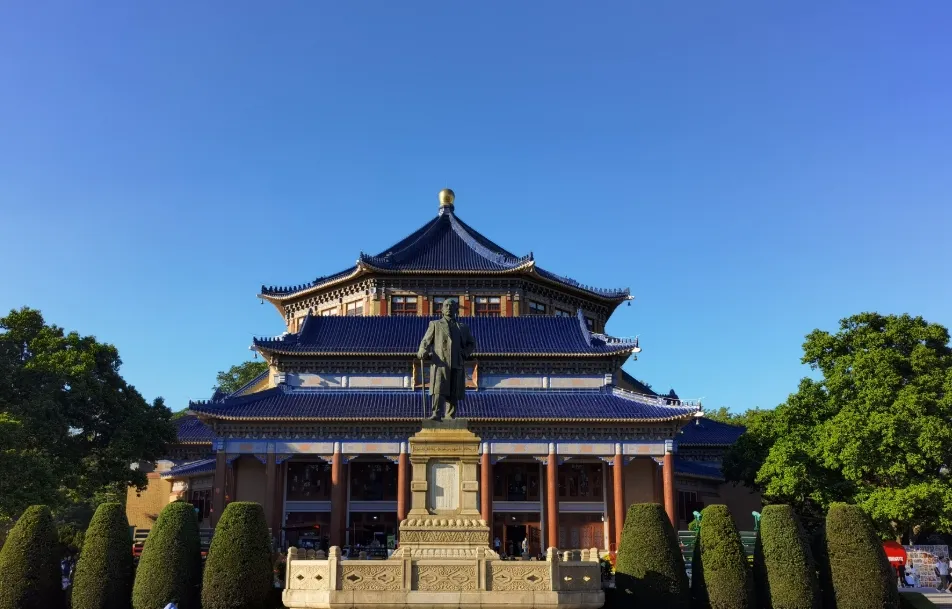
The Sun Yat-sen Memorial Hall stands as a magnificent tribute to Dr. Sun Yat-sen, the revolutionary leader who shaped modern China. Located in Guangzhou, this architectural marvel attracts history enthusiasts, architects, and tourists alike. In this comprehensive guide, we’ll explore its rich history, stunning design, cultural significance, and practical tips for visitors. Whether you're planning a trip or simply curious, this article unveils the secrets behind one of China’s most iconic landmarks.
The Historical Significance of Sun Yat-sen Memorial Hall
Built in 1931, the Sun Yat-sen Memorial Hall commemorates the life and ideals of Dr. Sun Yat-sen, often called the "Father of Modern China." Key historical points include:
- Revolutionary Legacy: Dr. Sun Yat-sen's groundbreaking Three Principles of the People (Nationalism, Democracy, and Livelihood) served as the ideological foundation for the hall's establishment. These principles, which became the cornerstone of modern Chinese political philosophy, continue to resonate through the building's very architecture and purpose, embodying the revolutionary spirit that shaped the nation's development.
- Construction Background: The hall's construction was made possible through the collective contributions of citizens from all walks of life, demonstrating remarkable public solidarity during its time. This crowdfunding approach not only financed the project but also transformed the building into a powerful symbol of shared national identity and civic pride, representing the people's commitment to their cultural heritage.
- Modern Relevance: In contemporary times, the hall has evolved into a dynamic multipurpose space while maintaining its historical significance. As a museum, it preserves valuable artifacts and documents; as an event venue, it hosts cultural performances and important ceremonies; and as an educational hub, it offers lectures and exhibitions that bridge the past with present-day societal values, ensuring Dr. Sun's legacy remains accessible to new generations.
Architectural Brilliance: A Fusion of East and West
The Sun Yat-sen Memorial Hall blends traditional Chinese and Western architectural styles. Notable features:
- Octagonal Design: The eight-sided architectural form embodies the traditional Chinese philosophy of harmony between heaven, earth, and humanity. This geometric pattern frequently appears in imperial gardens and temples, reflecting the Confucian ideal of balance in all things.
- Blue Roof Tiles: These distinctive glazed tiles not only mirror the vastness of the sky but also pay tribute to Dr. Sun Yat-sen's visionary aspirations for modern China. The azure hue was deliberately chosen to represent his progressive ideals that reached beyond conventional boundaries, much like the limitless sky.
- Grand Auditorium: With a seating capacity of 3,200, this magnificent venue serves as a cultural hub for prestigious events. Its stage has hosted international symphony performances, graduation ceremonies for top universities, and important political assemblies, making it a landmark of both artistic and historical significance.
Pro Tip: Look for intricate carvings depicting Chinese motifs alongside Art Deco influences.
Exploring the Sun Yat-sen Memorial Hall Grounds
The 62,000-square-meter complex includes:
- Statue Plaza: At the heart of the complex stands a majestic bronze statue of Dr. Sun Yat-sen, the revered revolutionary leader, welcoming visitors with its dignified presence. The lifelike sculpture, meticulously crafted with intricate details, captures his iconic posture and thoughtful expression. Surrounding the statue, an elegant plaza provides a solemn yet inviting space for reflection, where visitors often pause to admire the artistry and pay respects before exploring further.
- Memorial Exhibition Hall: This immersive space presents a carefully curated collection of historical artifacts, including personal belongings of Dr. Sun Yat-sen, original manuscripts of his revolutionary writings, and rare photographs documenting pivotal moments in China's modern history. Interactive multimedia installations bring the past to life through holographic projections and audio-visual presentations, while informative panels provide contextual explanations in both Chinese and English. The exhibition is chronologically organized, guiding visitors through Dr. Sun's revolutionary journey and lasting legacy.
- Gardens and Lakes: A serene oasis within the complex, the meticulously landscaped gardens feature winding pathways lined with native flora, tranquil koi ponds, and traditional pavilions offering shaded rest areas. The mirror-like lakes reflect the surrounding architecture and sky, creating picturesque scenes ideal for both contemplative walks and capturing stunning photographs. Seasonal blooms add vibrant splashes of color throughout the year, while strategically placed benches invite visitors to linger and enjoy the peaceful ambiance.
Why Sun Yat-sen Memorial Hall is a Must-Visit in Guangzhou
Five reasons to add it to your itinerary:
- Historical Insight: Learn about China’s transition from empire to republic.
- Architectural Wonder: A masterpiece of 20th-century design.
- Cultural Events: Regular exhibitions and performances.
- Grounds vs hall: The park is free from 06:00-22:00. The memorial hall itself is 10 yuan (5 yuan concession), 09:00-17:30, with ticket sales usually stopping around 16:45.
- Central Location: Easily accessible via metro (Line 2, Sun Yat-sen Memorial Hall Station).
Hidden Stories: Lesser-Known Facts About the Memorial
- Time Capsule: A 1931 newspaper and coins were buried during construction.
- Survival During War: Despite bombings in WWII, the hall remained intact.
- UNESCO Recognition: Nominated for World Heritage status in 2024.
Planning Your Visit to Sun Yat-sen Memorial Hall
Best Time to Go: Weekday mornings (less crowded).
Hours and tickets (2026): Park 06:00-22:00, free. Hall 09:00-17:30, 10 yuan full / 5 yuan half. Hours can shift on performance days.
Guided Tours: Available in English, Mandarin, and Cantonese.
Nearby Attractions:
Conclusion: A Timeless Tribute to a Visionary Leader
The Sun Yat-sen Memorial Hall is more than a tourist spot—it’s a living testament to China’s transformative history. By visiting, you honor Dr. Sun’s legacy while experiencing architectural grandeur.