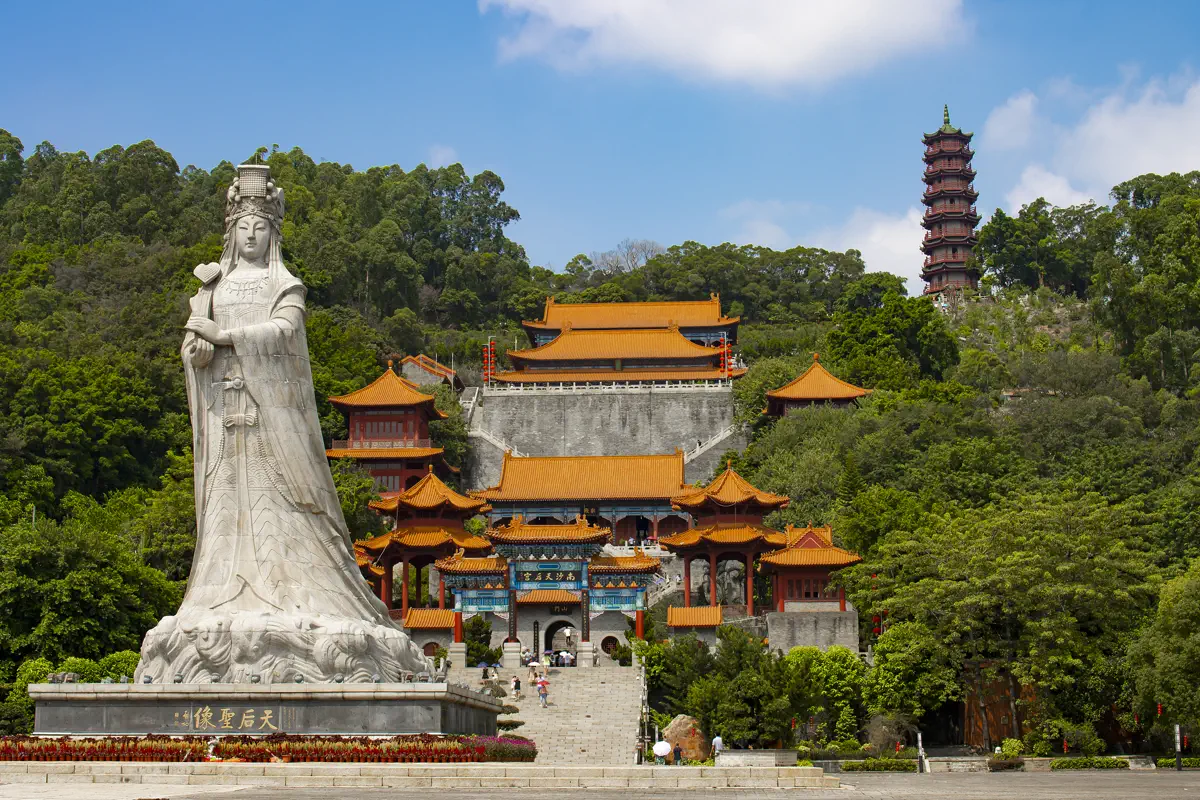
Nansha Tianhou Palace Guide and Coastal Walk in Guangzhou
Nansha Tianhou Palace sits on the southeastern slope of Dajiao Hill overlooking the Pearl River estuary, uniting Southeast Asia's grandest Mazu complex with Qing coastal artillery ruins.
Explore Guangzhou attractions — Canton Tower, Baiyun Mountain, a Pearl River night cruise, Chen Clan Ancestral Hall, Shamian Island, and Yongqing Fang. Tradition and the modern city, mapped for travelers.
Nansha Tianhou Palace sits on the southeastern slope of Dajiao Hill overlooking the Pearl River estuary, uniting Southeast Asia's grandest Mazu complex with Qing coastal artillery ruins.
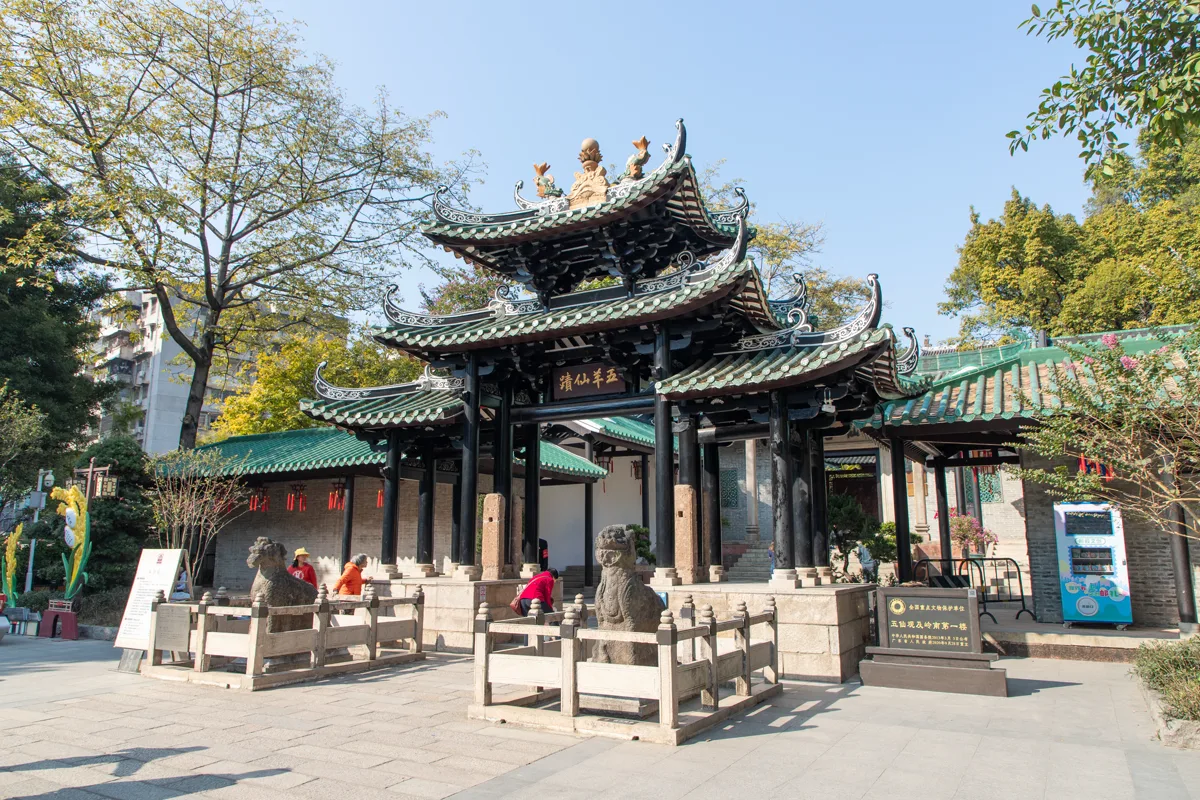
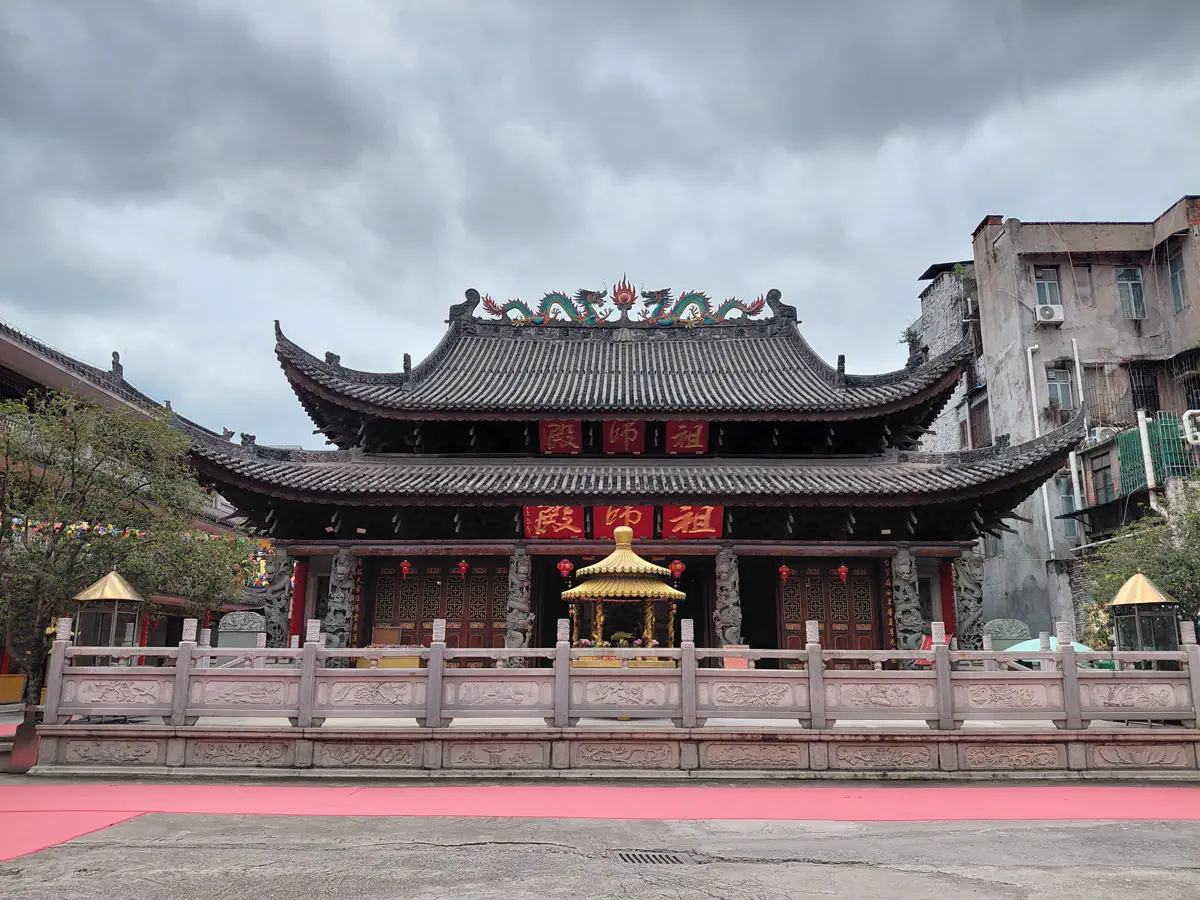
The Five Immortals Temple on Huifu West Road marks the legendary origin of Guangzhou as the City of Rams, housing the monumental First Building of Lingnan and a five-ton Ming Dynasty bronze bell.
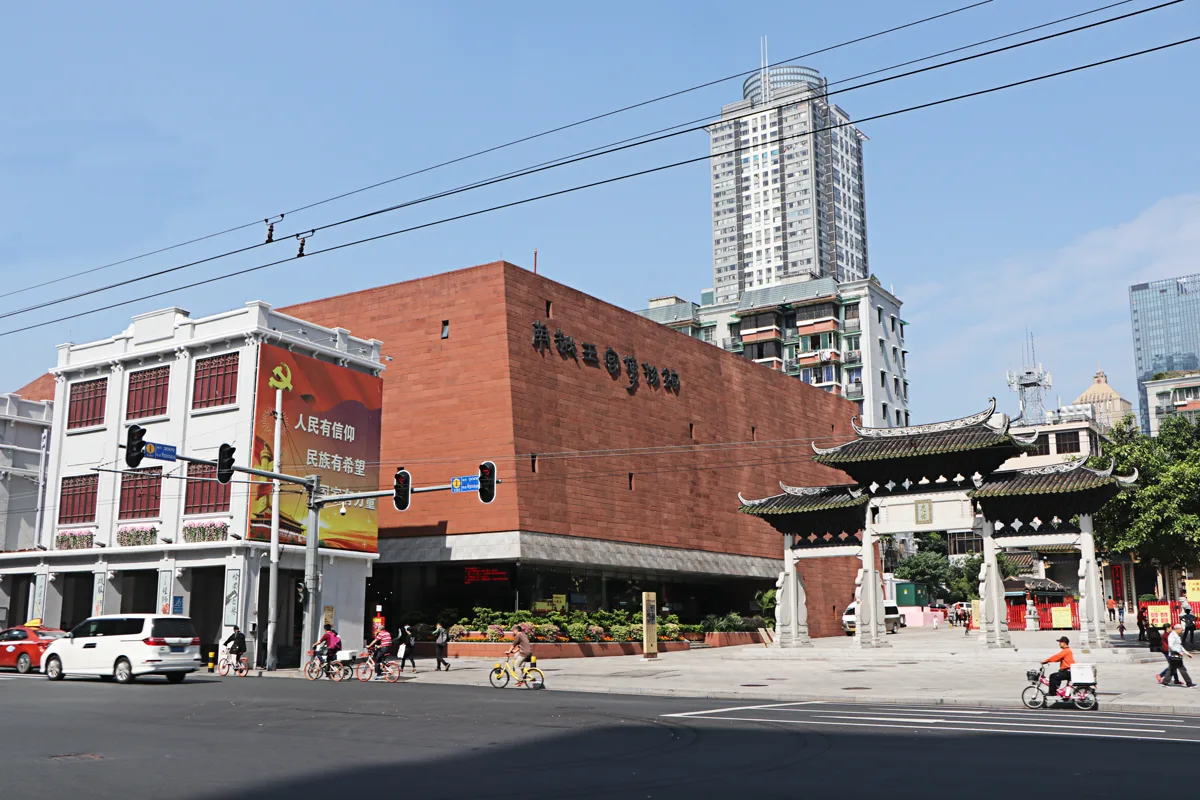
The Nanyue King Museum Palace Exhibition Site on Zhongshan Fourth Road preserves the 2,200-year-old royal stone garden brook, Qin shipyard, and stacked historical dynasties of Guangzhou.
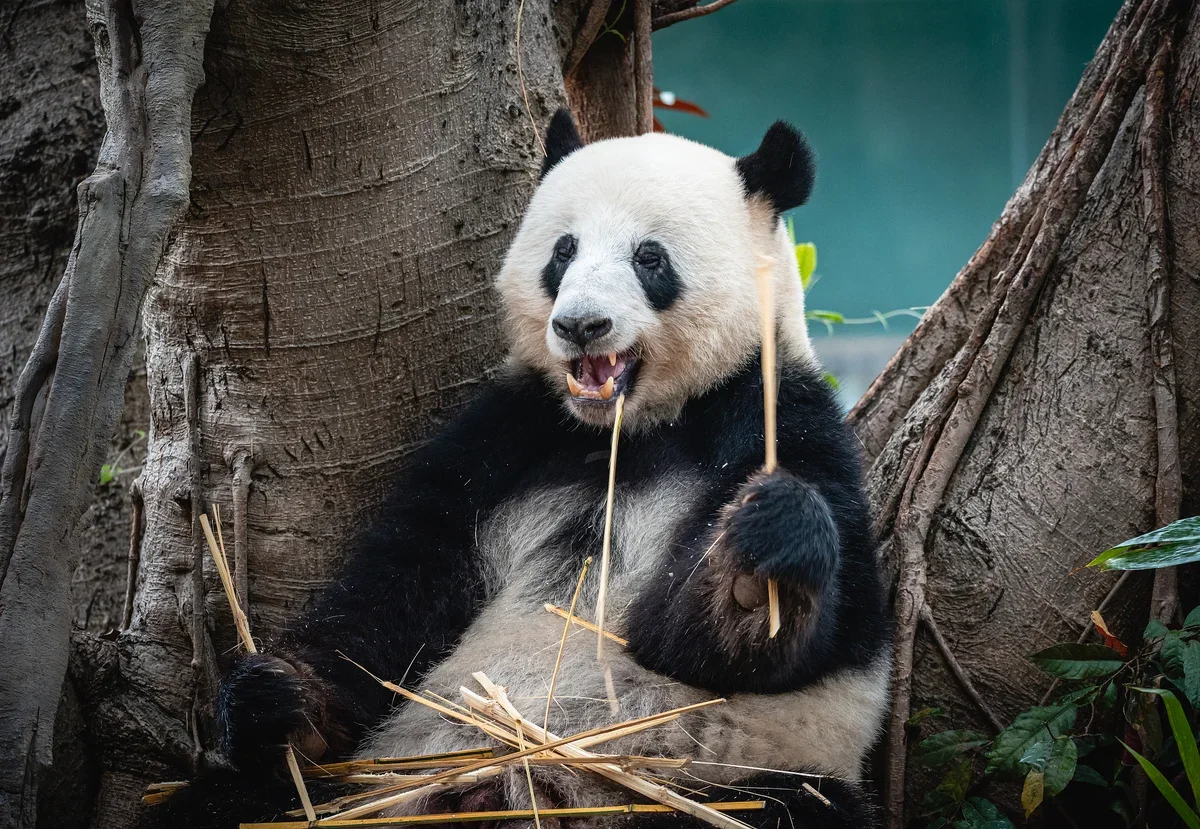
Established in 1958 in central Yuexiu, Guangzhou Zoo pairs centenary banyan forests and beloved giant pandas with the newly renovated Guangzhou Ocean World.
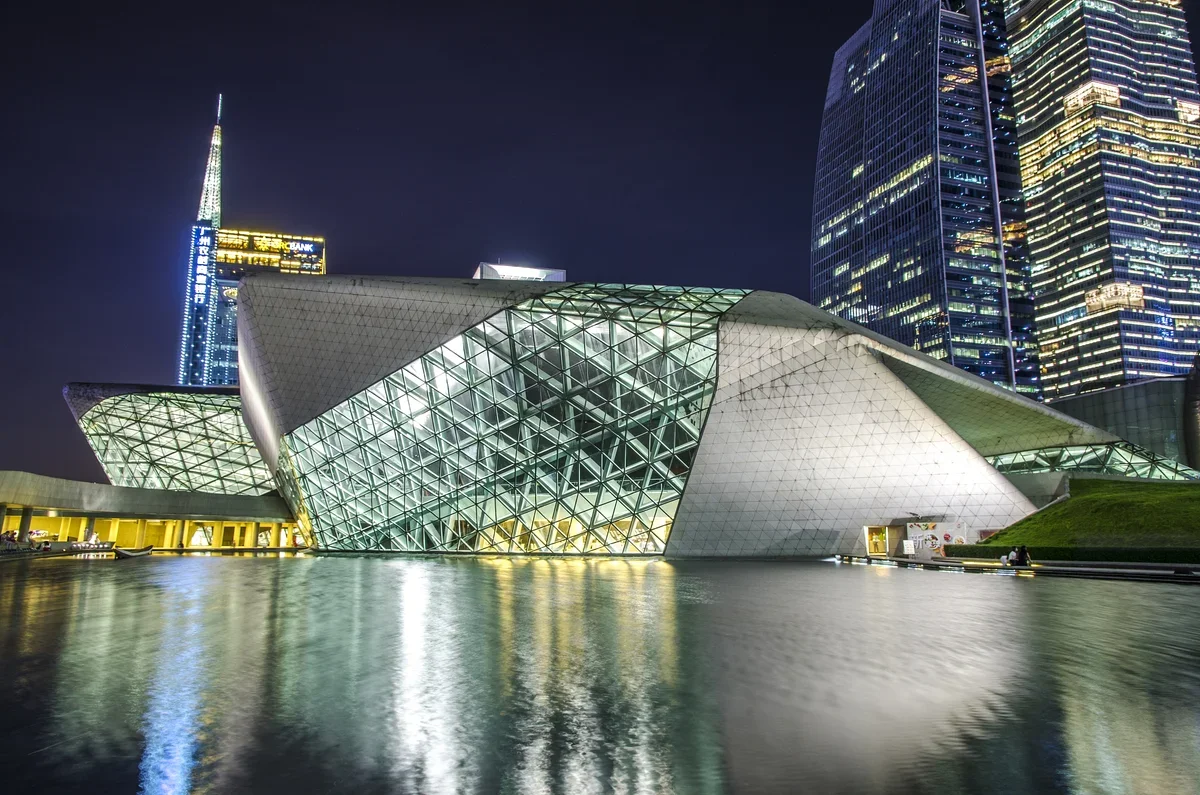
Designed by Pritzker laureate Zaha Hadid as twin pebbles washed by the Pearl River, the Guangzhou Opera House is a masterpiece of fluid deconstructivist architecture in Zhujiang New Town.
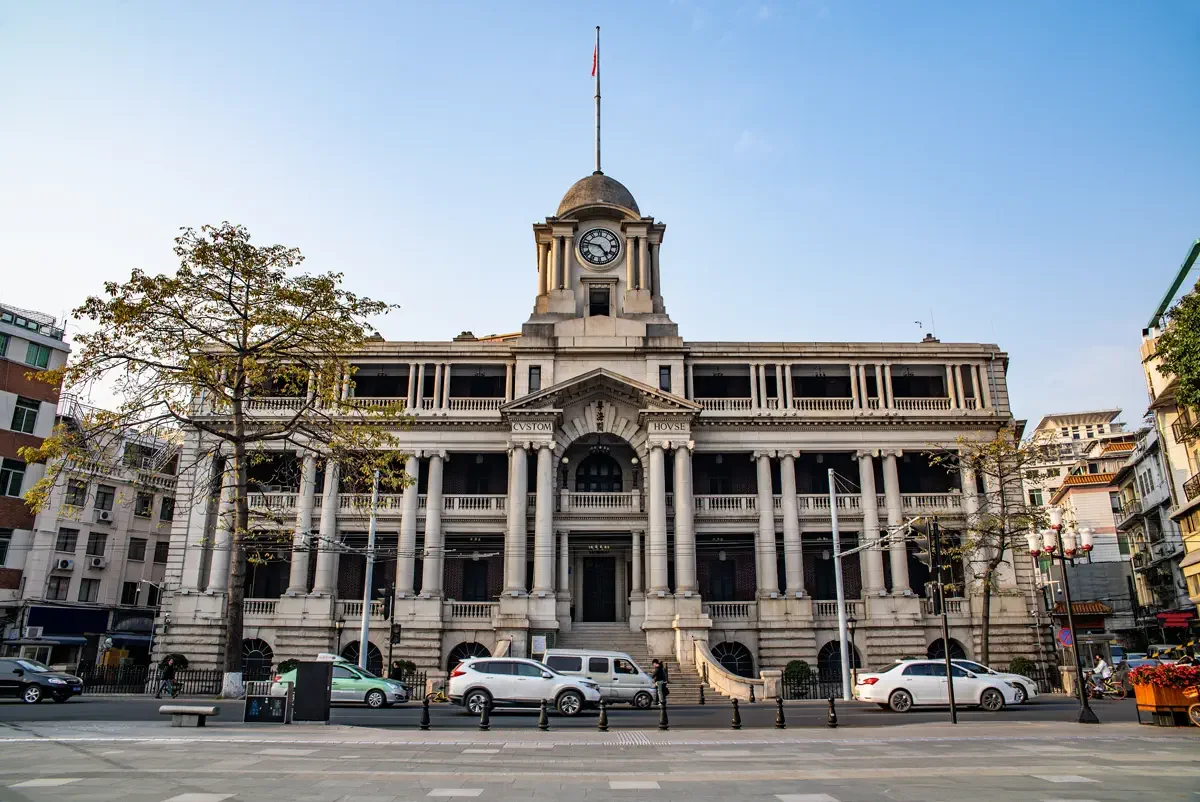
Standing proudly along the Pearl River on Yanjiang West Road, the Canton Customs Museum and its historic 1916 Clock Tower showcase Guangzhou's maritime trading history and European Neoclassical architecture.
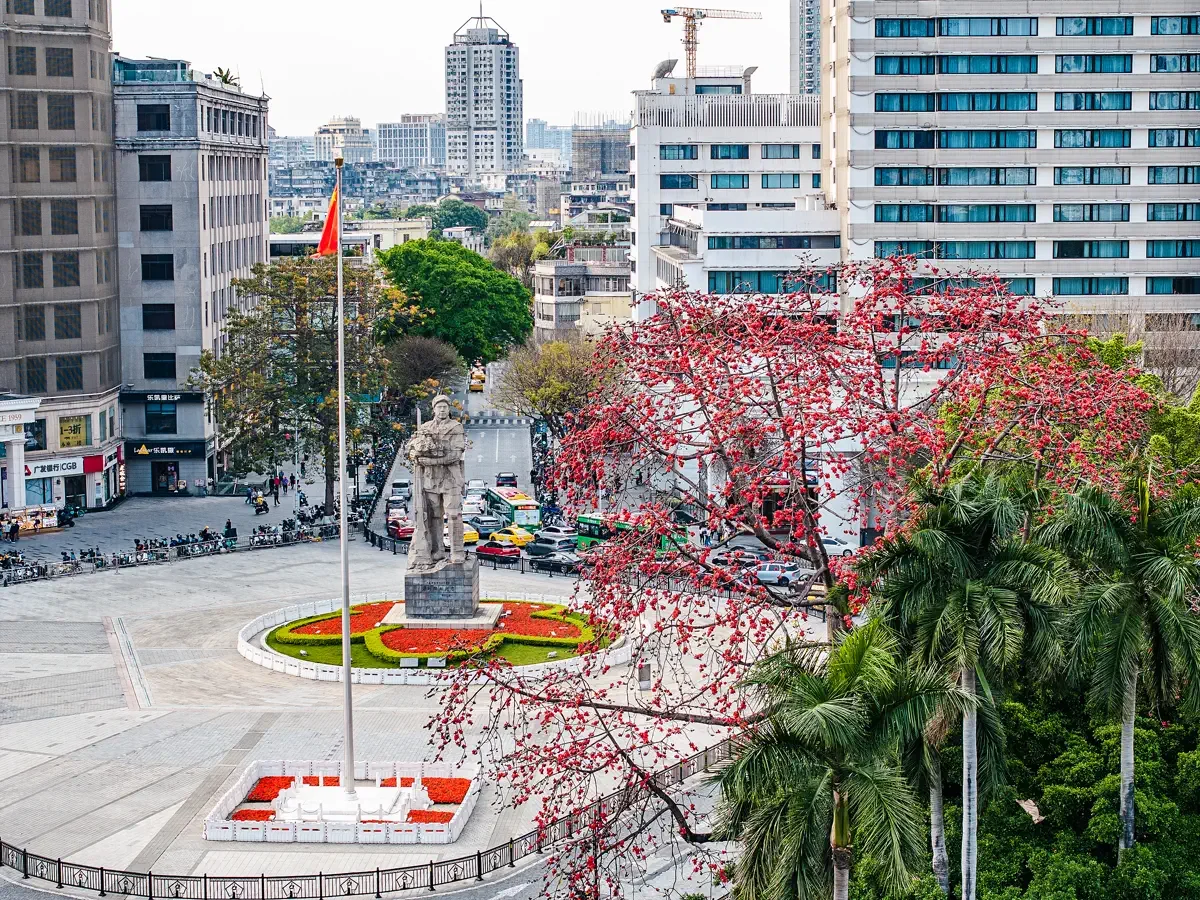
Connecting Yuexiu and Haizhu across the Pearl River, Haizhu Bridge and Haizhu Square form Guangzhou's iconic riverside gateway, rich in modern history and vibrant street life.
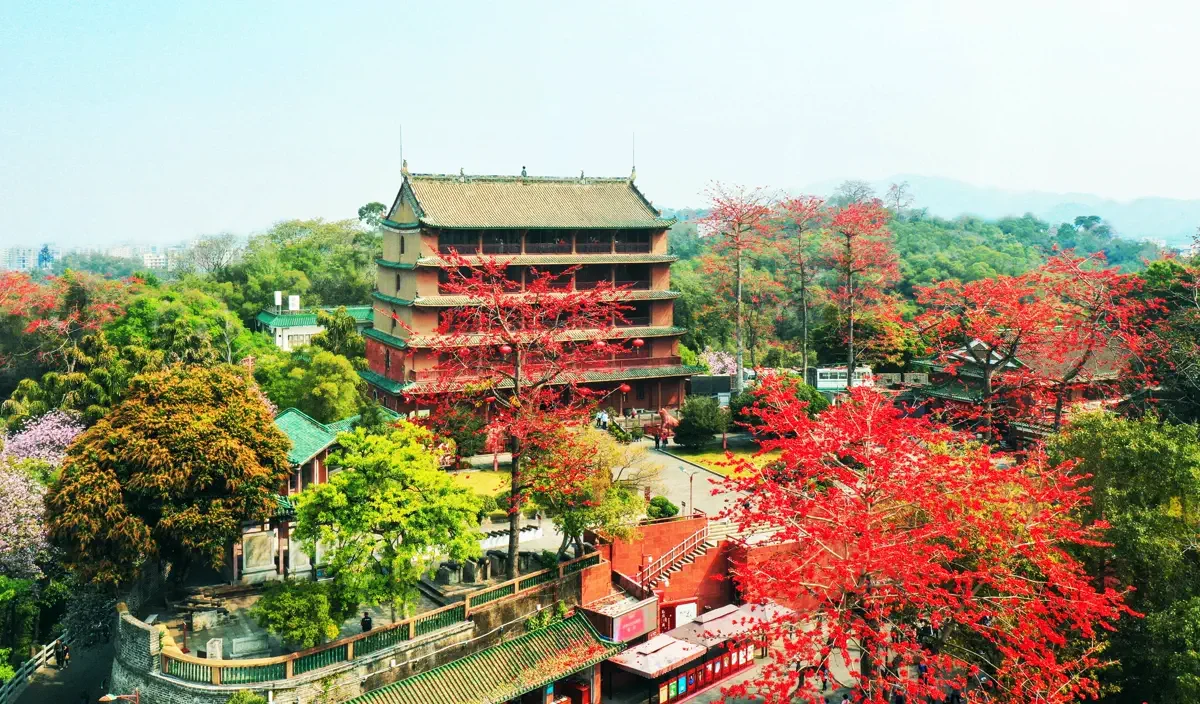
Perched atop Yuexiu Mountain, Zhenhai Tower is Guangzhou's celebrated five-story Ming Dynasty landmark, housing the Guangzhou Museum and flanked by ancient fortifications.
Standing on Changzhou Island in Guangzhou, the Memorial Museum of 1911 Revolution combines striking canyon architecture with rich historical galleries, surrounded by seven-century-old Shenjing Village and scenic riverways.
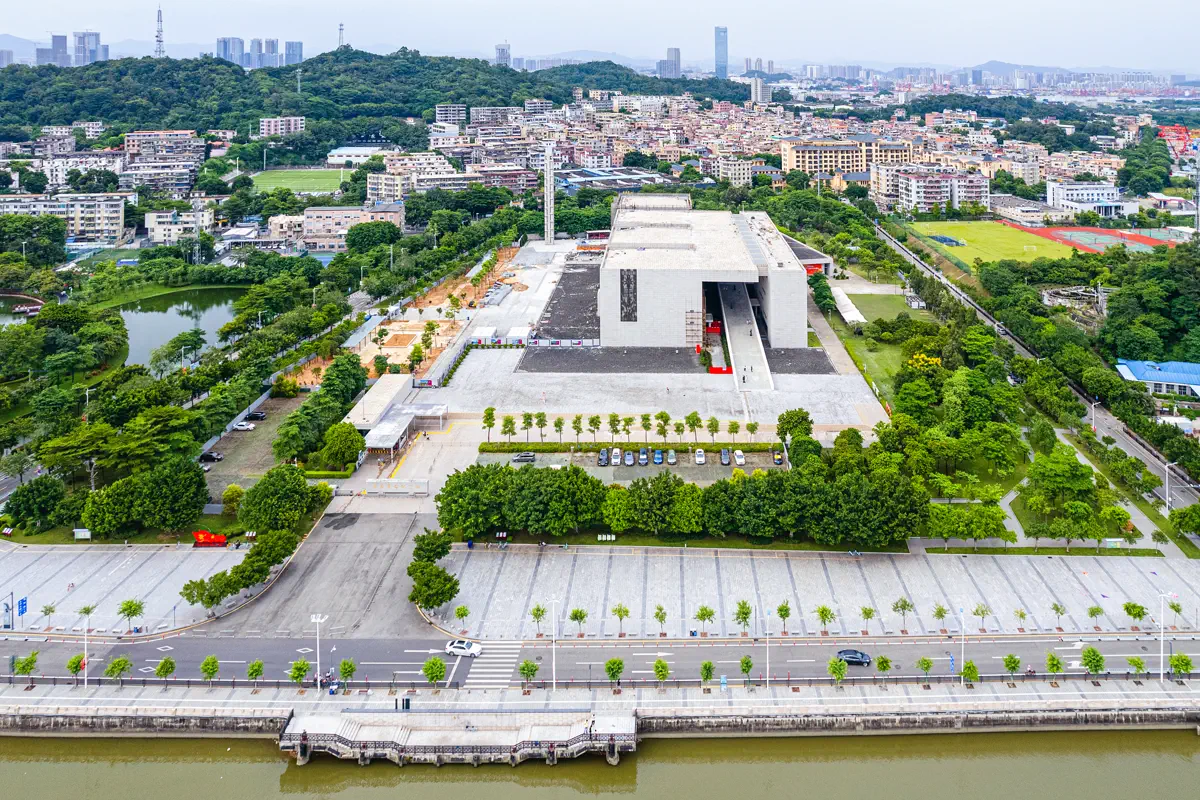
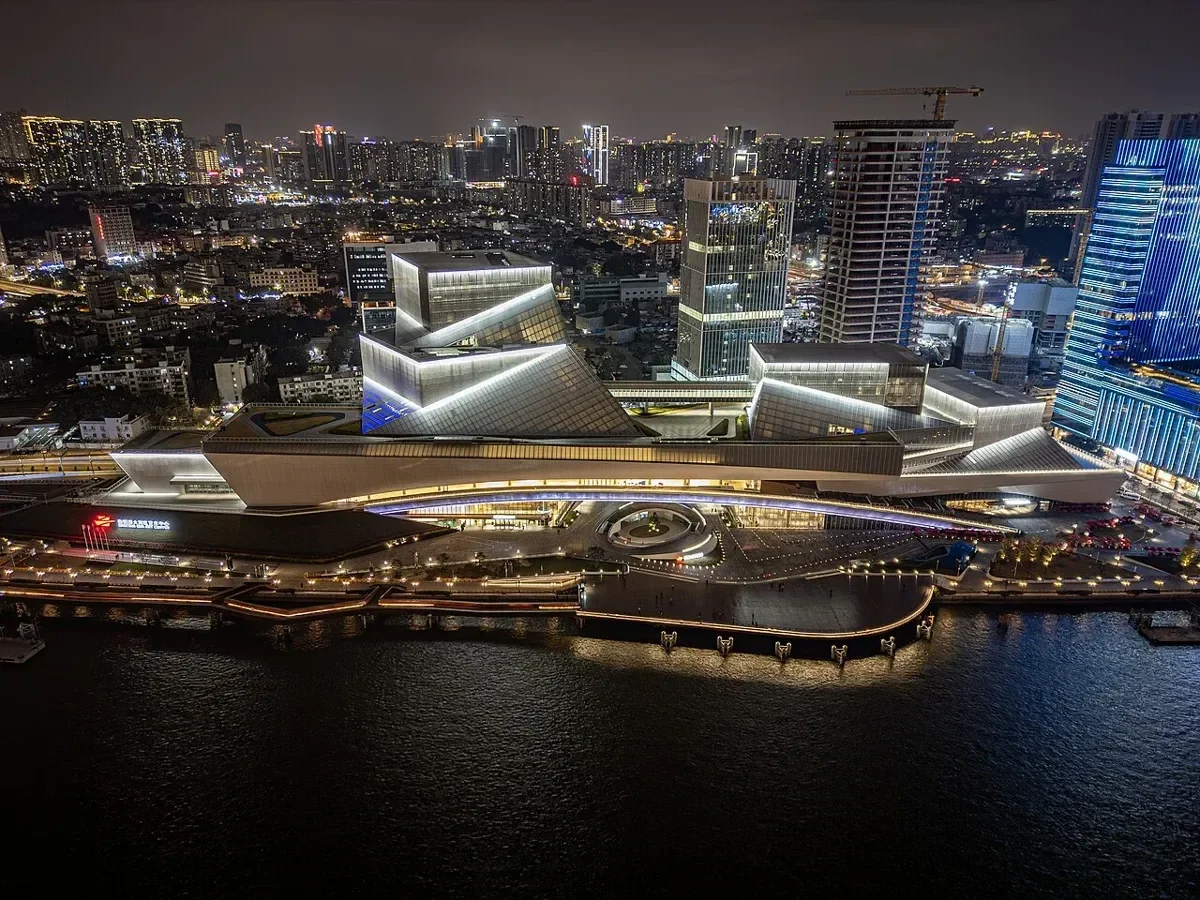
Inaugurated in spring 2024 along the historic Baietan waterfront, this monumental cultural complex unites the Guangdong Museum of Art, Intangible Cultural Heritage Museum, and Literature Museum into a dramatic architectural flagship.
Guangzhou Museum of Art opened its monumental new venue in late 2023, showcasing blooming kapok petal architecture, sunlit atrium walkways, and masterworks of the Lingnan School.
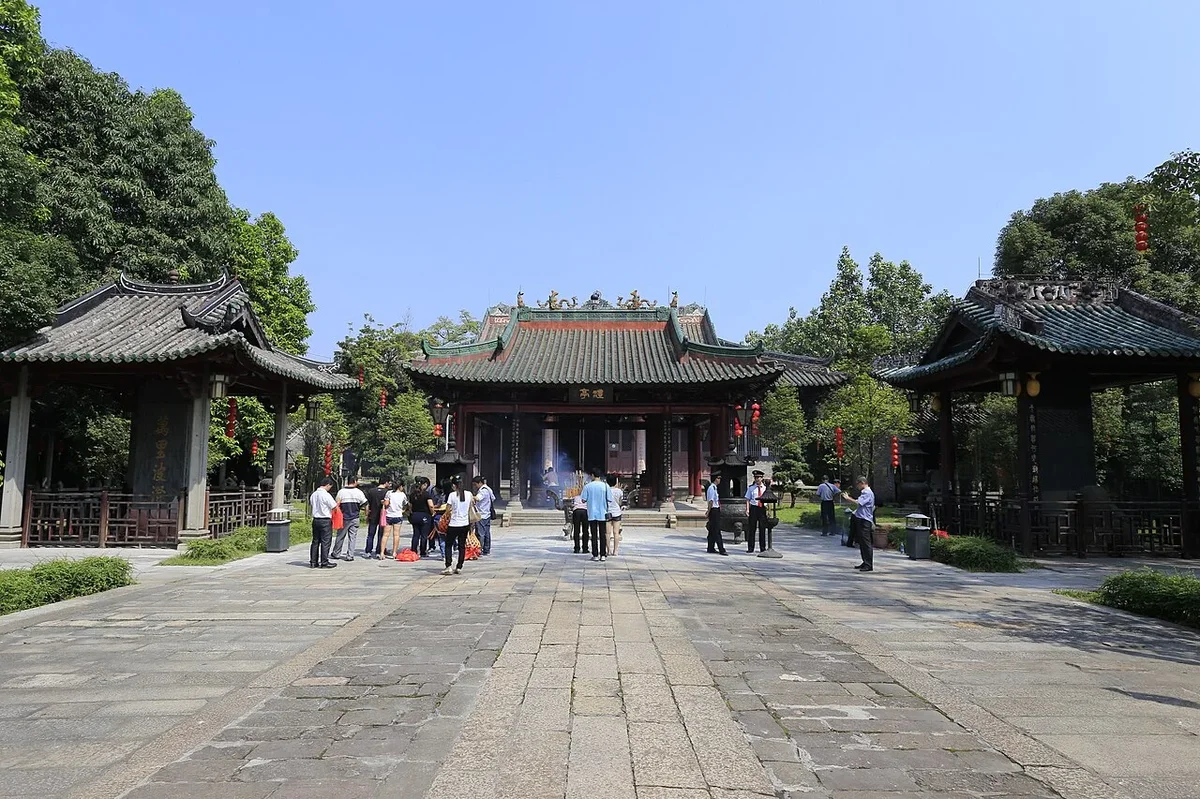
Guangzhou's 1,400-year-old Nanhai God Temple is the sole surviving imperial sea god shrine in China, marking the historic origin of the Maritime Silk Road.
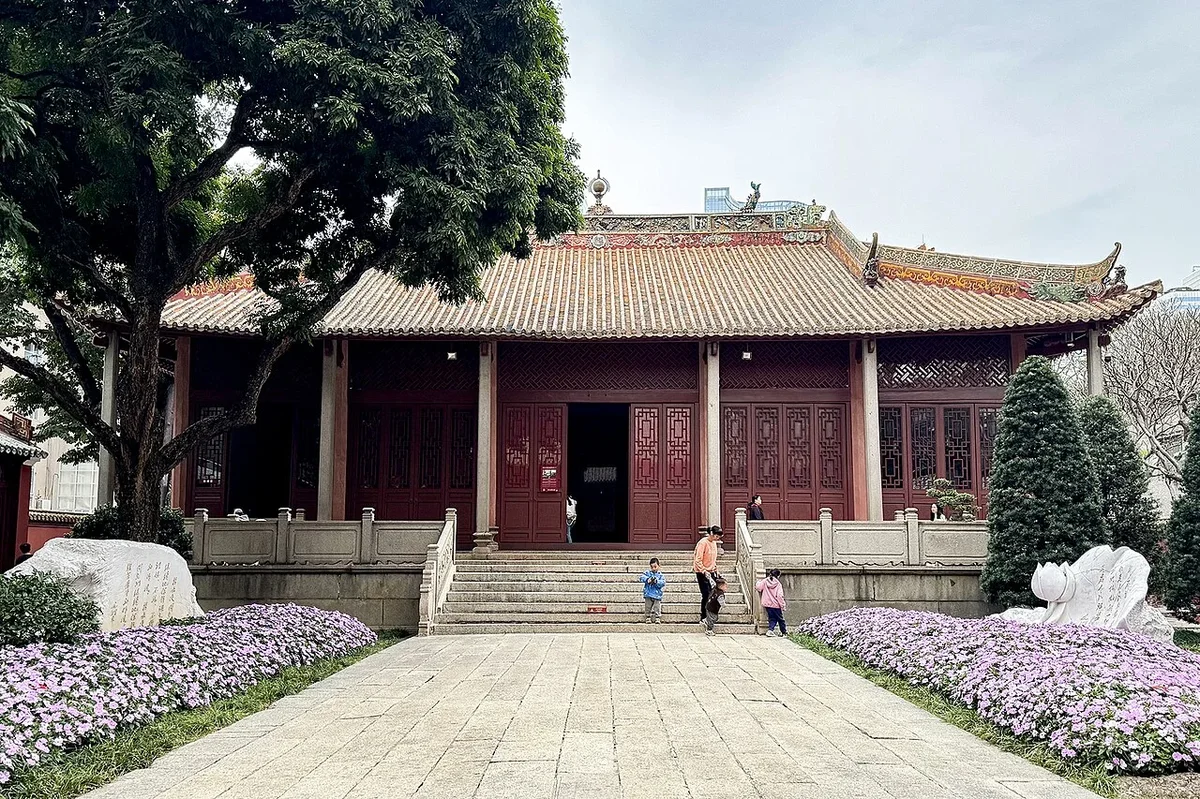
Known as Guangzhou's Little Forbidden City, the Peasant Movement Institute pairs a 600-year-old Confucian temple with profound early revolutionary history.
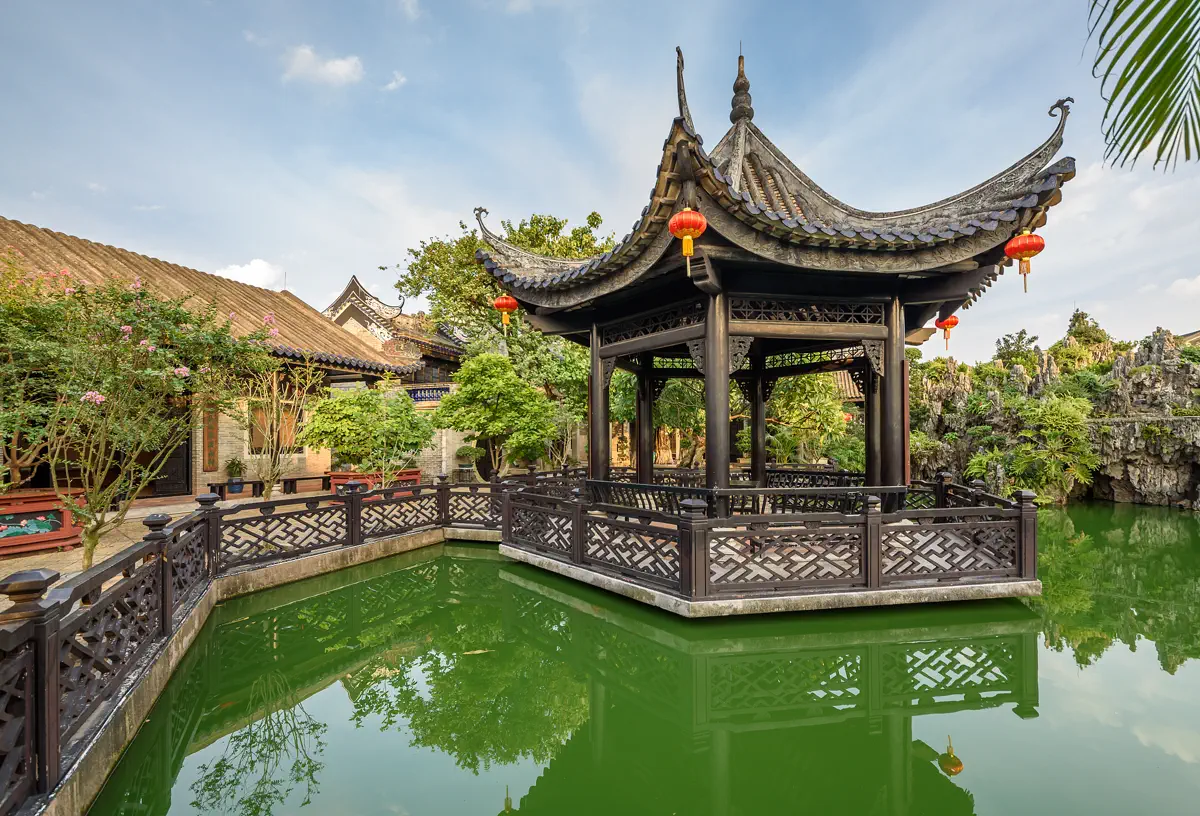
Covering under 1,600 square metres in Panyu, Yuyin Shanfang is celebrated as the crowning gem of the Four Great Lingnan Gardens for its micro-scale spatial artistry.
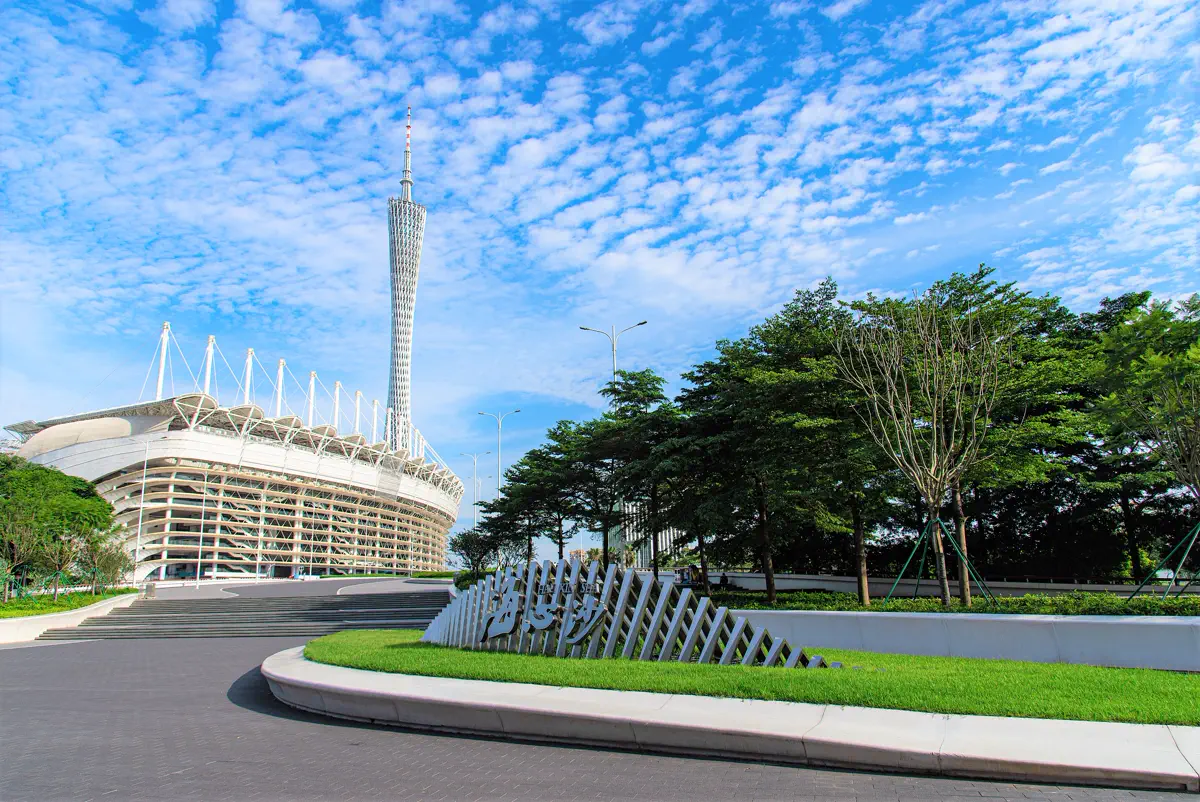
Connecting Zhujiang New Town to the Canton Tower across the Pearl River, Haixinsha Asian Games Park and Haixin Bridge form Guangzhou's premier pedestrian axis.
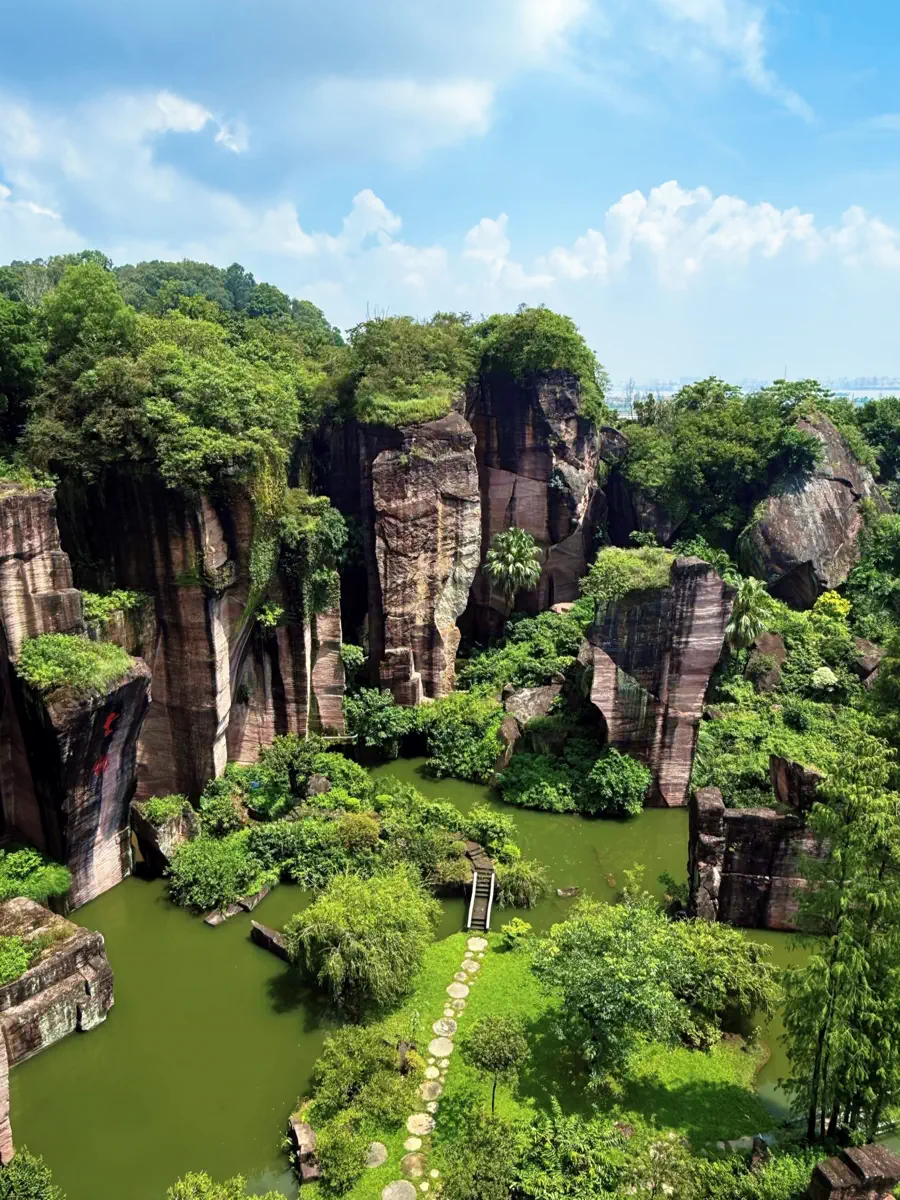
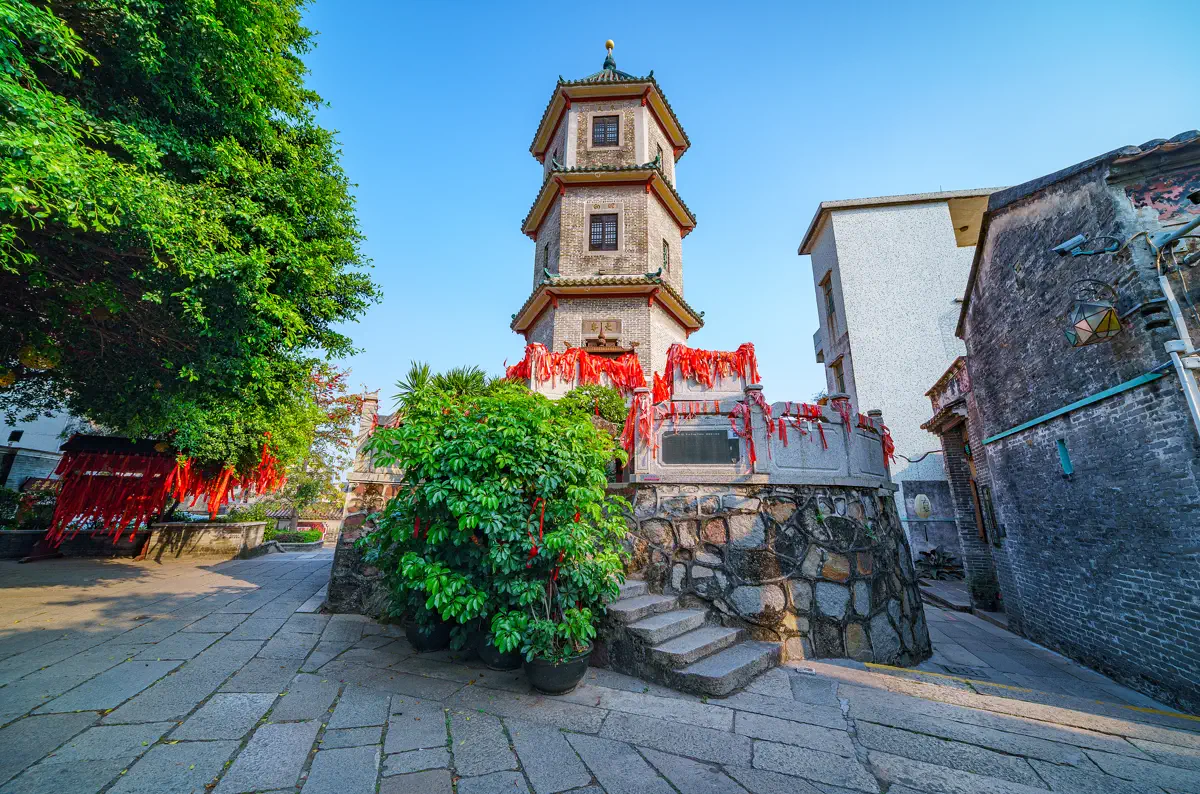
A rare 2,000-year-old Han dynasty stone quarry overlooking the Pearl River estuary, renowned for shear red sandstone cliffs, a 40.88-metre gold Guanyin, and a Ming beacon pagoda.
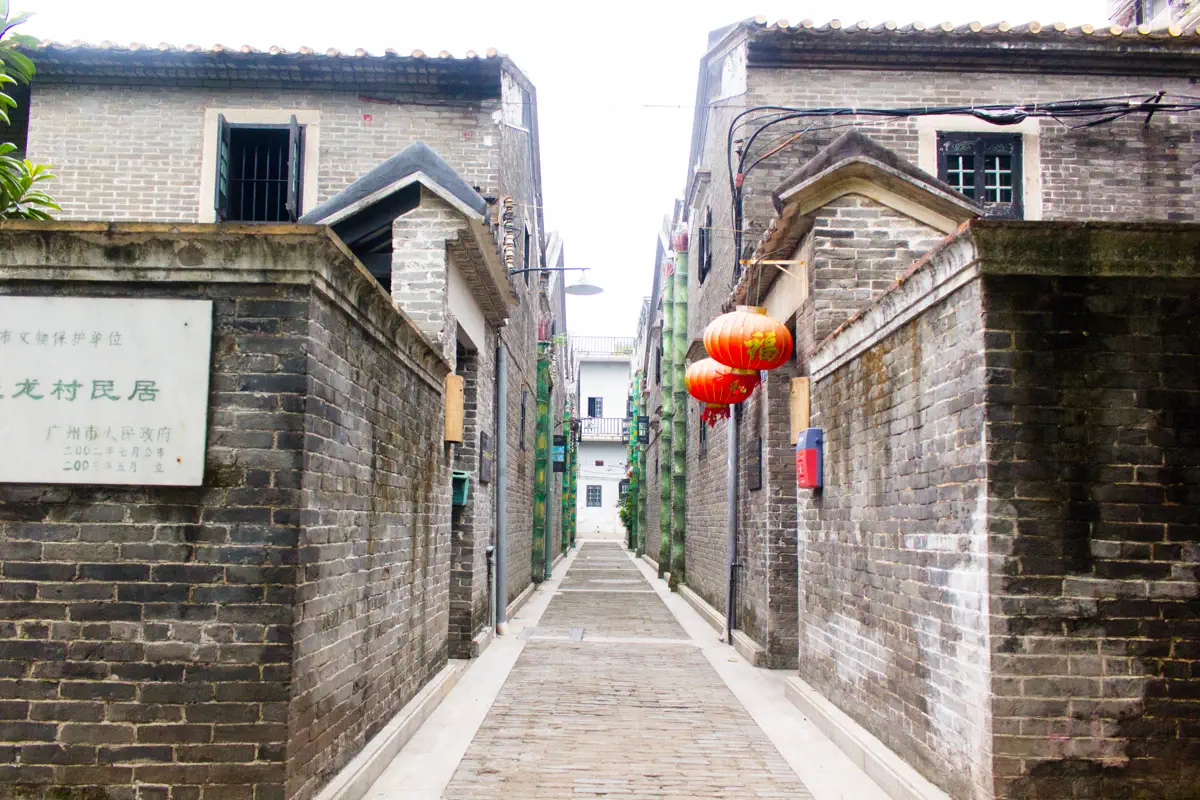
Built in 1879 by overseas merchants of the Kuang clan, Julong Village preserves 19 uniform Qing Dynasty brick mansions along quiet stone-paved canal alleys in Liwan.
An 800-year-old Lingnan clan village in Panyu, home to Liugeng Hall, thick oyster shell walls, Cantonese music heritage, and fresh water buffalo milk desserts.
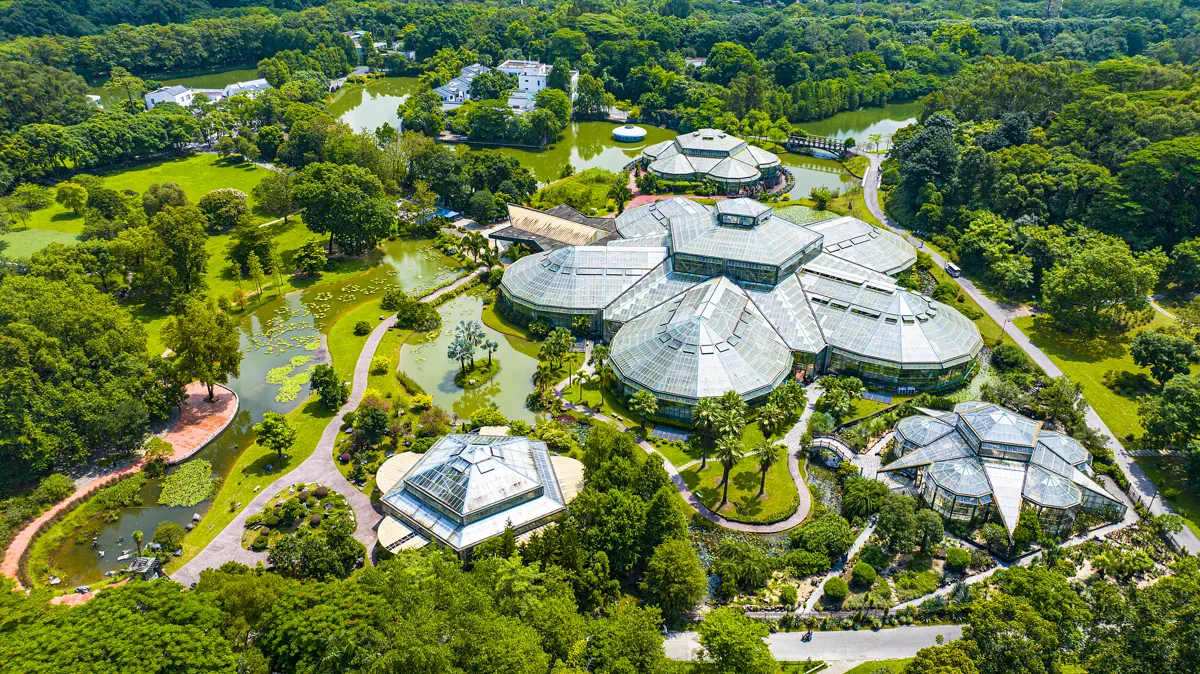
Established in 1929, the South China National Botanical Garden preserves over 17,000 tropical and subtropical plants across 300 hectares, celebrated for its giant greenhouse domes, giant water lilies, and the iconic Longdong Qilin cypress lake.
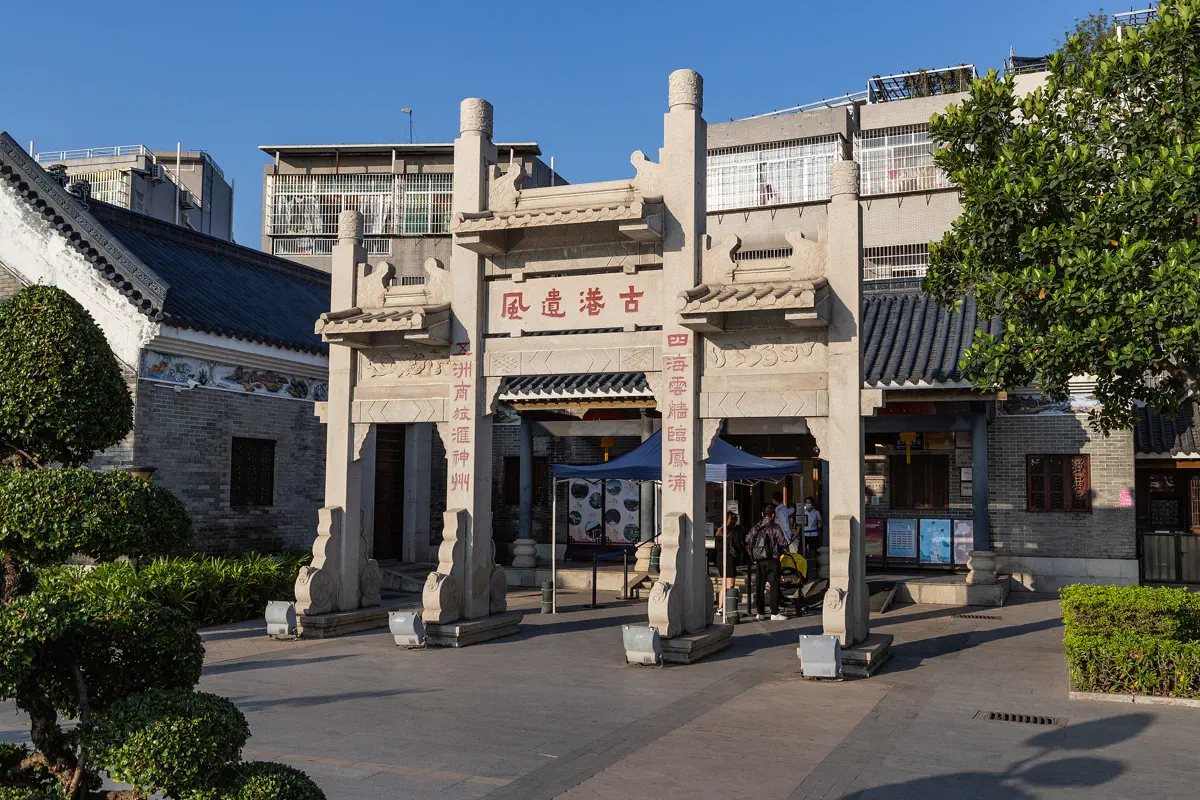
Located near the Pazhou exhibition complex, Huangpu Ancient Port was the sole imperial customs harbor for Western merchant ships during the Qing Dynasty's Canton System, today celebrated for its historic ancestral halls and authentic street delicacies.
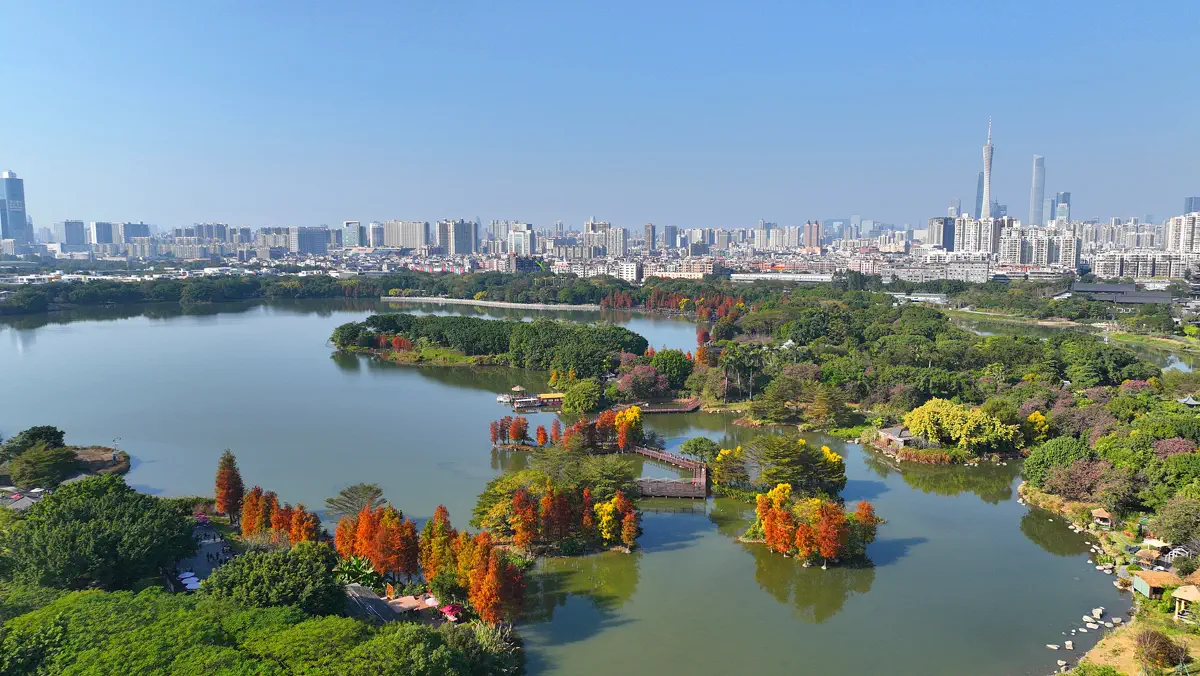
Spanning over 1,100 hectares in the heart of urban Guangzhou, Haizhu National Wetland Park offers tranquil water trails, centuries-old fruit orchards, seasonal flower fields, and postcard-perfect skyline views of Canton Tower.
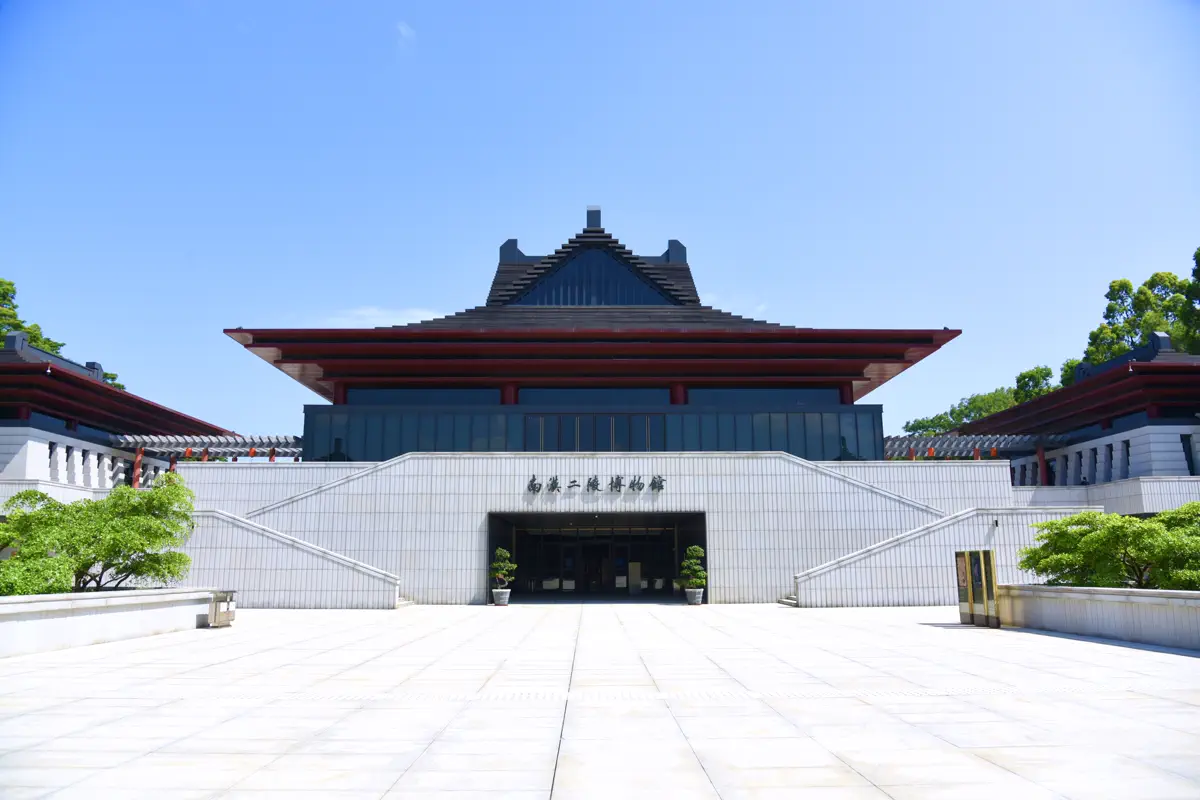
Nestled in the lush greenery of Guangzhou Higher Education Mega Center, the Southern Han Mausoleums Museum preserves the only intact imperial mausoleum complex from China's Five Dynasties period, complete with Tang-inspired architecture and rare Maritime Silk Road treasures.
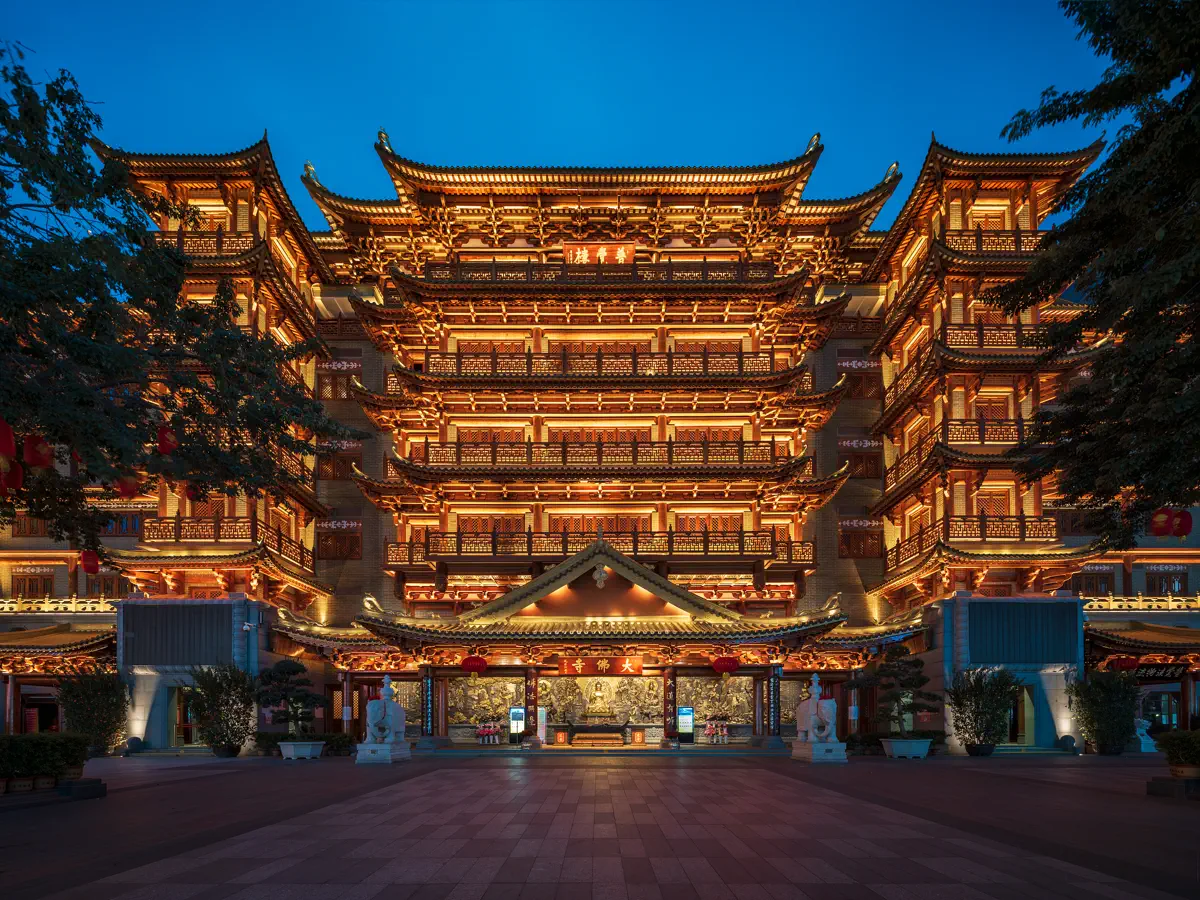
Tucked just off Beijing Road Pedestrian Street, the thousand-year-old Dafo Temple captivates travelers with its Qing Dynasty timber hall and a soaring multi-tier pavilion that glows like the bathhouse from Spirited Away when illuminated each night.
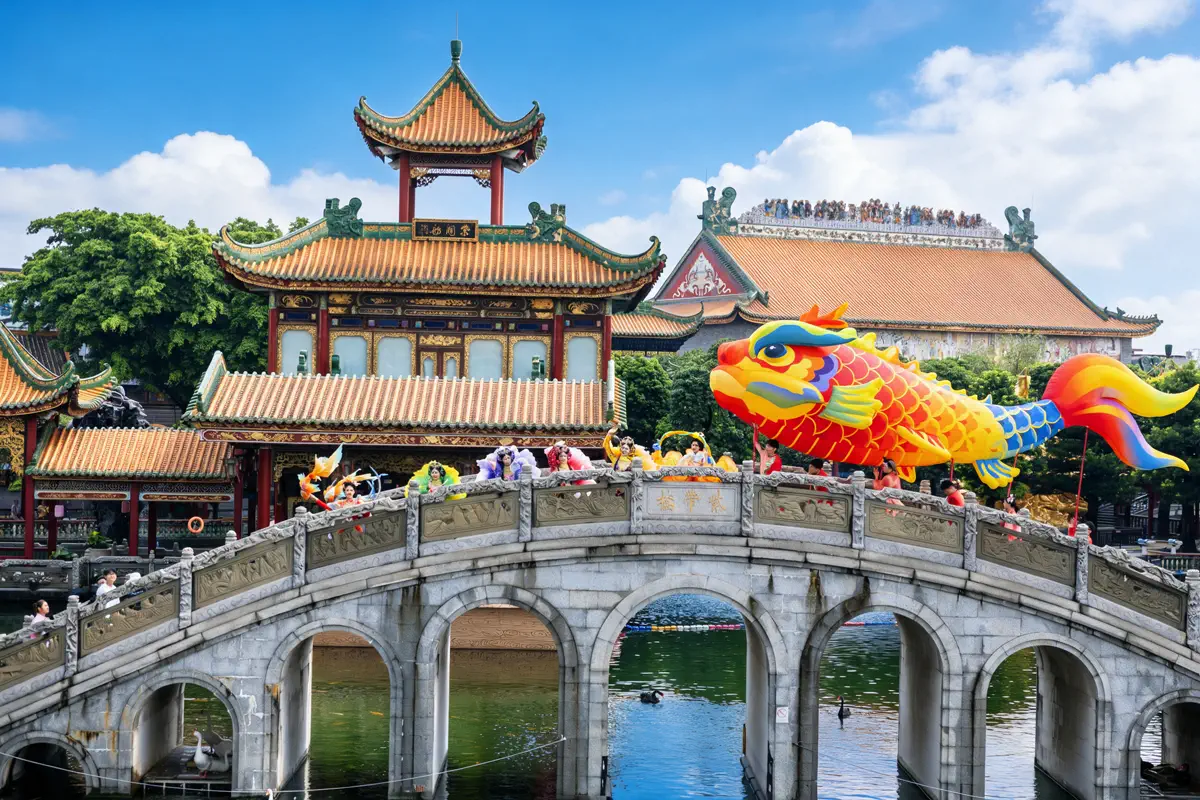
Covering 100,000 square metres in Panyu, Baomo Garden represents the pinnacle of Lingnan water-village garden architecture. It is famed for its Guinness record brick carvings, porcelain murals, and tranquil ponds teeming with thousands of koi.
Tucked inside the busy jade markets of old Liwan, Hualin Temple marks where Bodhidharma first stepped ashore in China in 526 AD. Today, it preserves the cross-shaped Hall of 500 Arhats and a Qing Dynasty white marble relic pagoda.
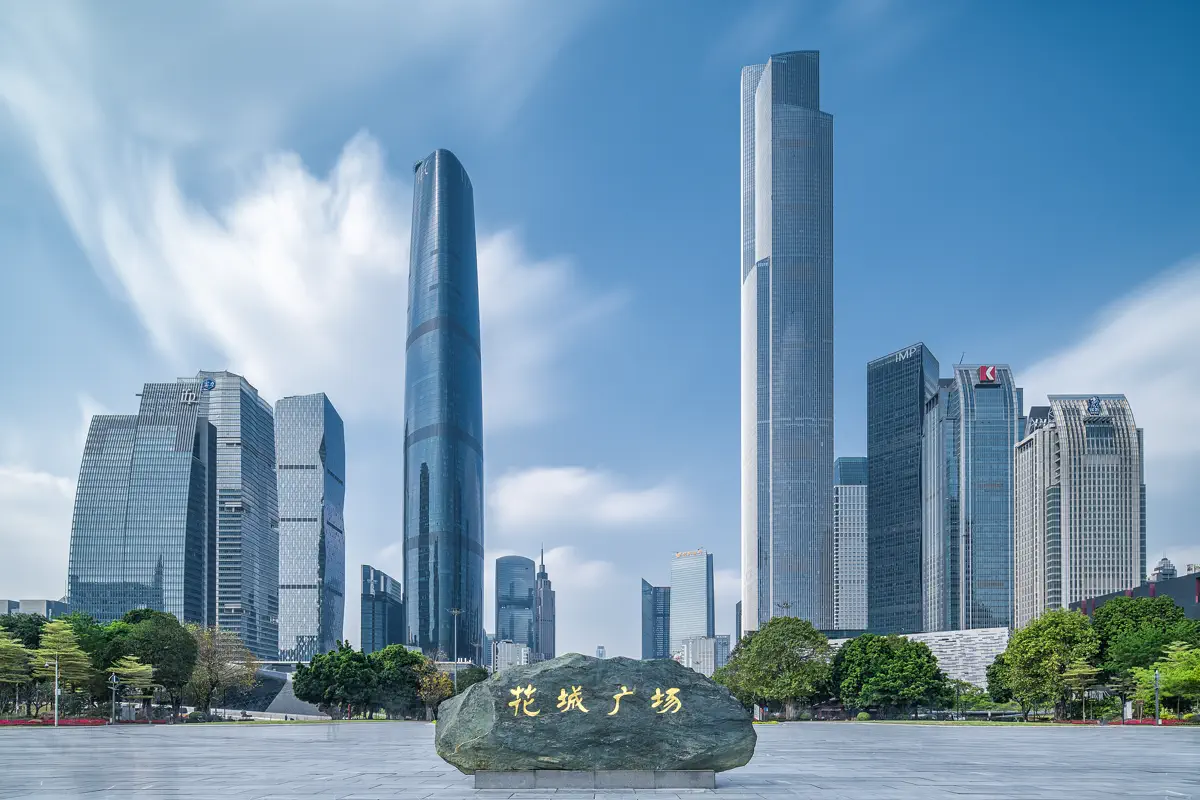
Huacheng Square is the vibrant core of modern Guangzhou's central axis. Spanning 560,000 square metres in Zhujiang New Town, this car-free civic park is framed by the Canton Tower, Zaha Hadid's Opera House, and the underground Mall of the World.
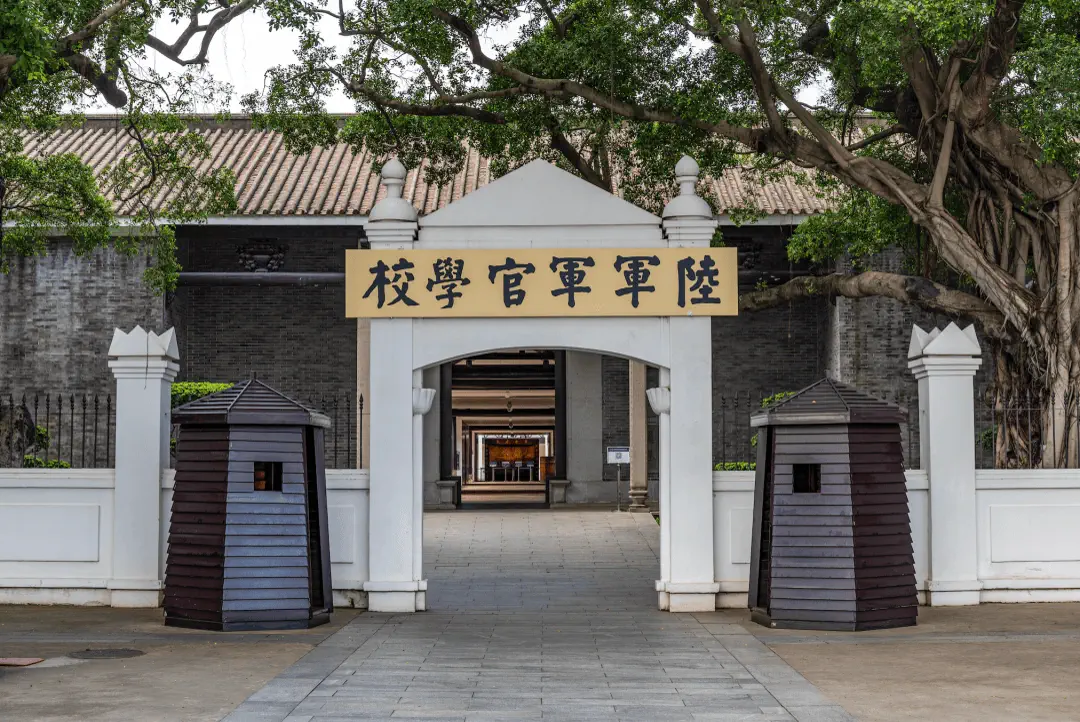
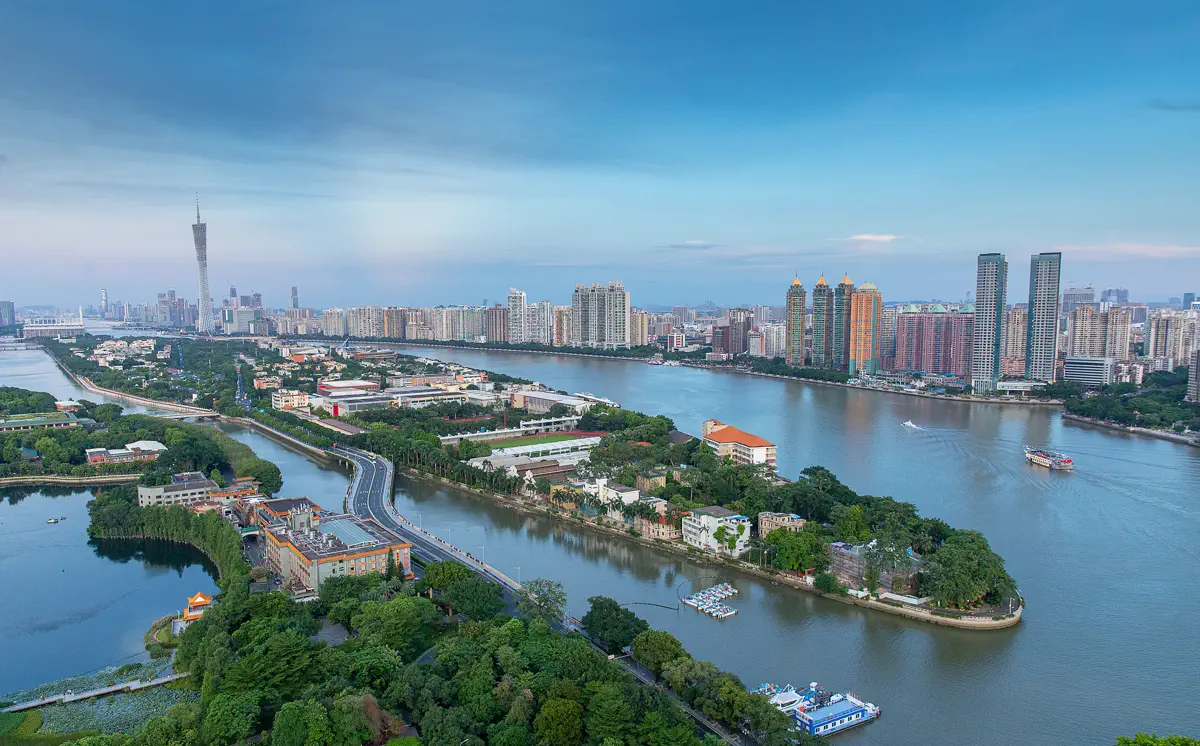
Whampoa Military Academy on Changzhou Island was modern China's premier military training ground. Founded in 1924 by Dr. Sun Yat-sen, the restored riverside campus features classic European gates, quadrangle courtyards, and tranquil island village scenery.
Ersha Island is a serene river island in the Pearl River, just across from Canton Tower. Free of skyscrapers, it holds the Guangdong Museum of Art, Xinghai Concert Hall, expansive grassy lawns, and the north landing of the pedestrian Haixin Bridge.
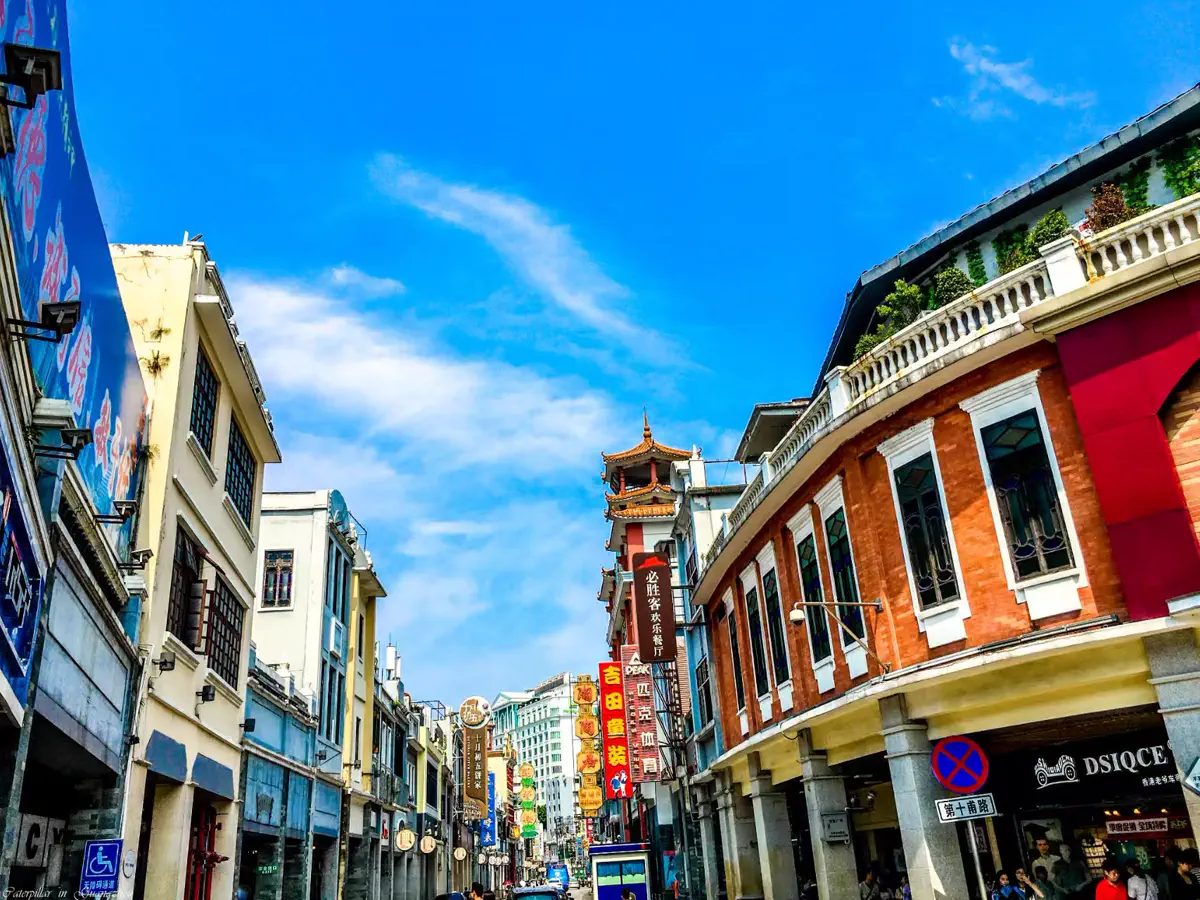
Shangxiajiu Pedestrian Street runs 1,218 metres through the heart of old Liwan. Both sides are lined with 1920s qilou arcade buildings, and the covered colonnades below them keep you dry in the rain and shaded in the sun. The street holds some of the oldest Cantonese restaurant names in the city.
Lychee Bay is the reopened Xiguan stream in Liwan, a short walk from Yongqing Fang. The waterfront is free, the boats cost extra, and Pantang Road next door is the place for water-chestnut cake.
Guangxiao Temple is the oldest Buddhist temple in Guangzhou, at 109 Guangxiao Road in Yuexiu. 2026 listings put the gate at 8.30am to 4.30pm. The thing to see is the Hair-Burying Pagoda, where the Sixth Patriarch Huineng was tonsured in 676.
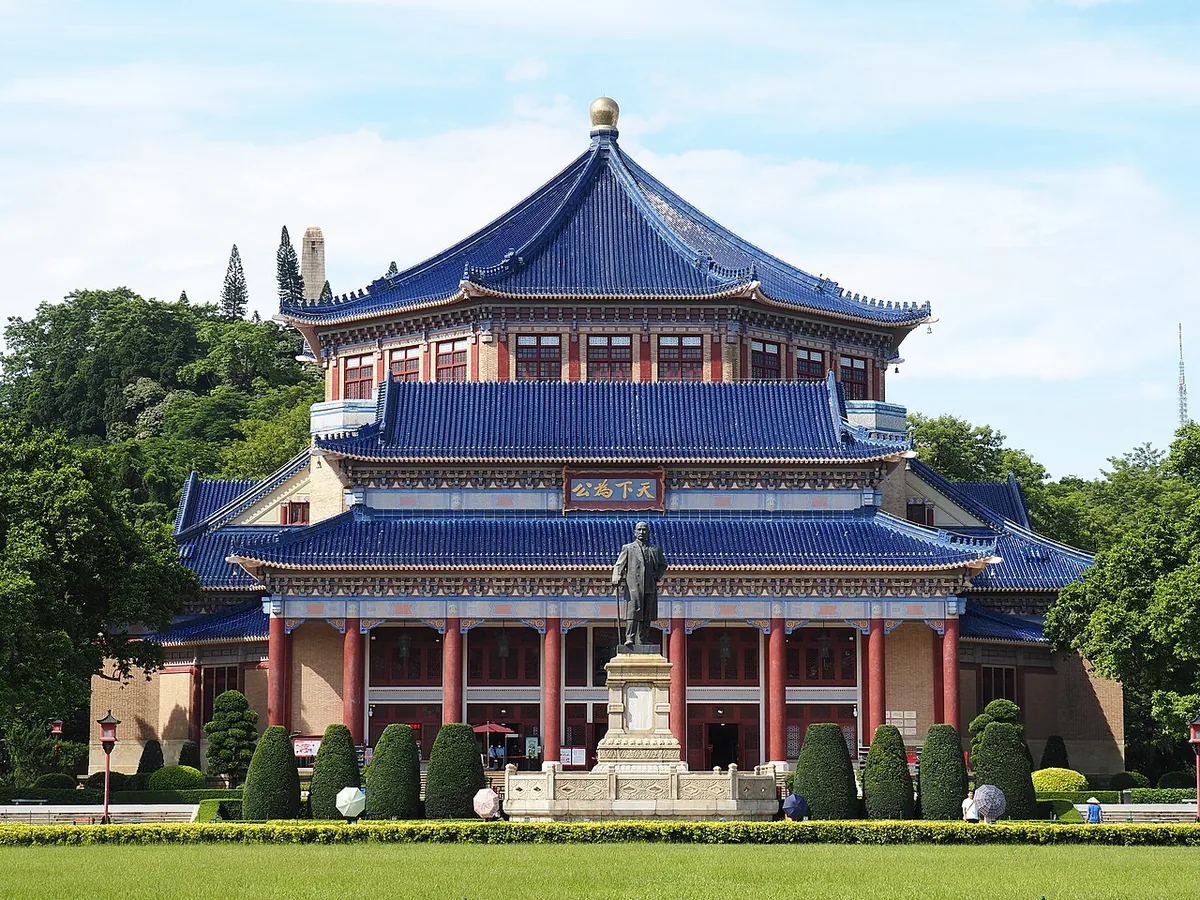
Nestled at the southern foot of Yuexiu Hill, the Sun Yat-sen Memorial Hall stands as a masterwork of modern Chinese architecture with its 71-meter column-free octagonal dome and historic 350-year-old kapok tree.
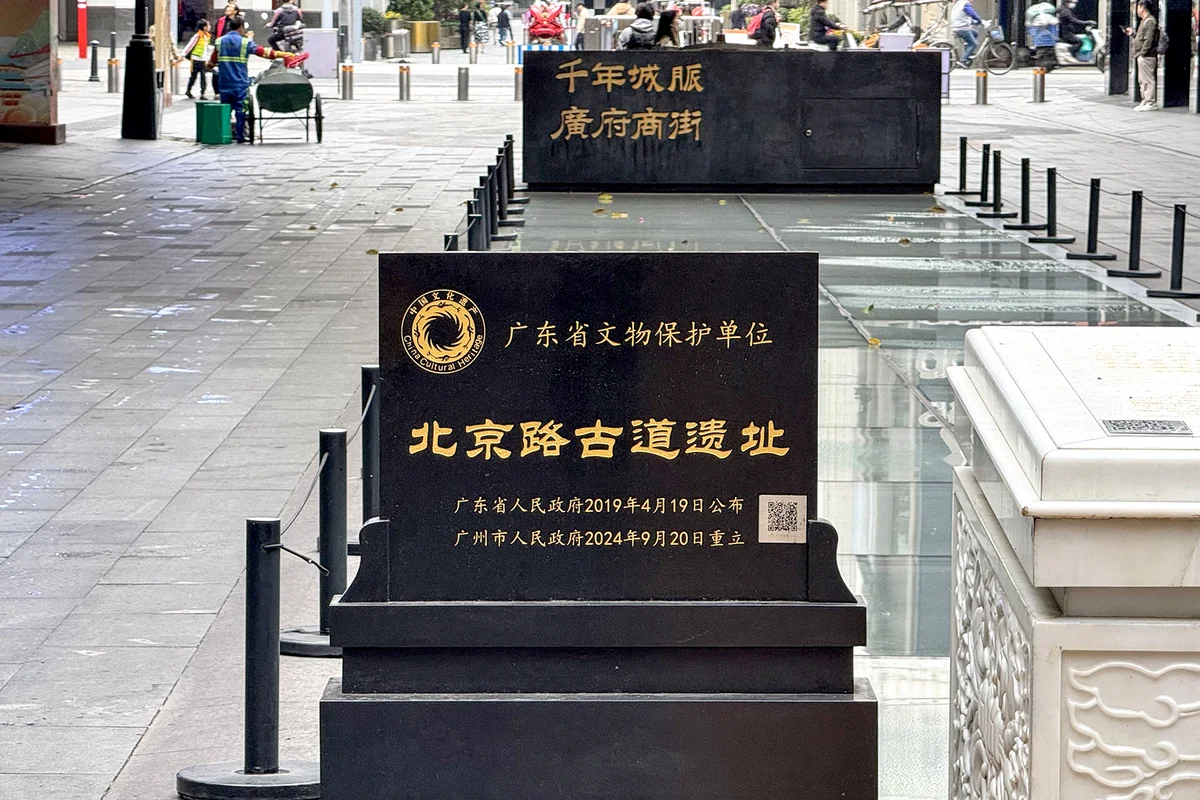
For more than 2,200 years, Beijing Road has stood as Guangzhou's unshifted commercial and cultural core. Discover 11 layers of ancient roadways beneath glass pavements, the spectacular illuminated timber halls of Dafo Temple, time-honored Cantonese delicacies, and riverside strolls.
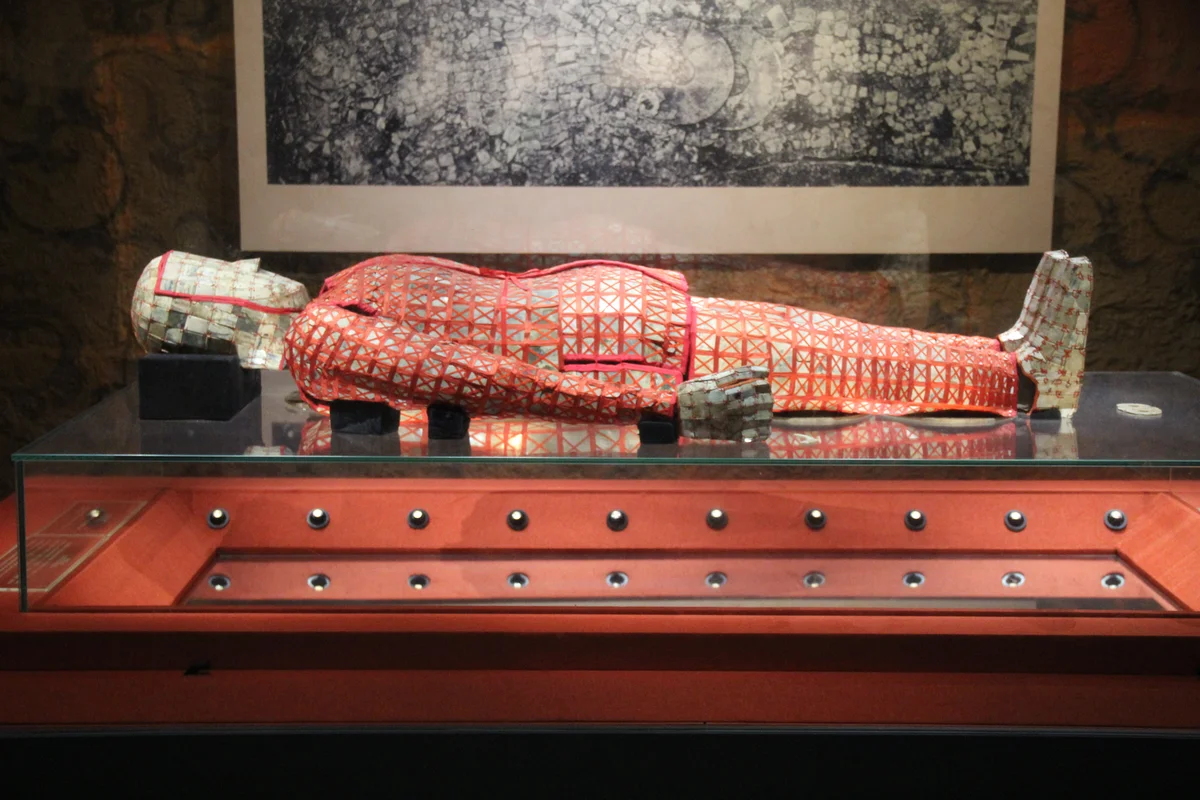
Deep beneath Xianggang Hill lies the 2,100-year-old painted stone tomb of Western Han King Zhao Mo. Discover the world's only complete silk-threaded jade burial suit, the imperial dragon gold seal, and early Maritime Silk Road relics.
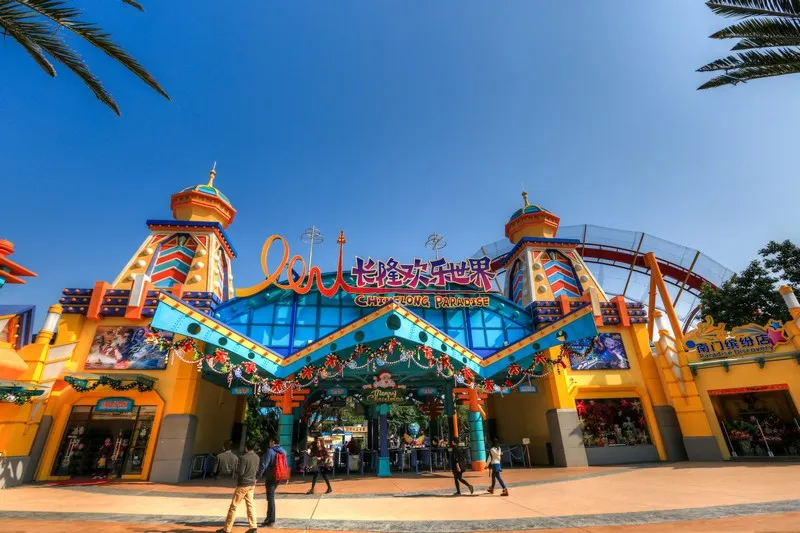
Guangzhou Chimelong Tourist Resort (长隆旅游度假区): one of China’s most popular theme park destinations, featuring a wildlife park, water park, thrilling rides, and spectacular shows. Whether you're traveling with family, as a couple, or with friends, it offers unforgettable experience
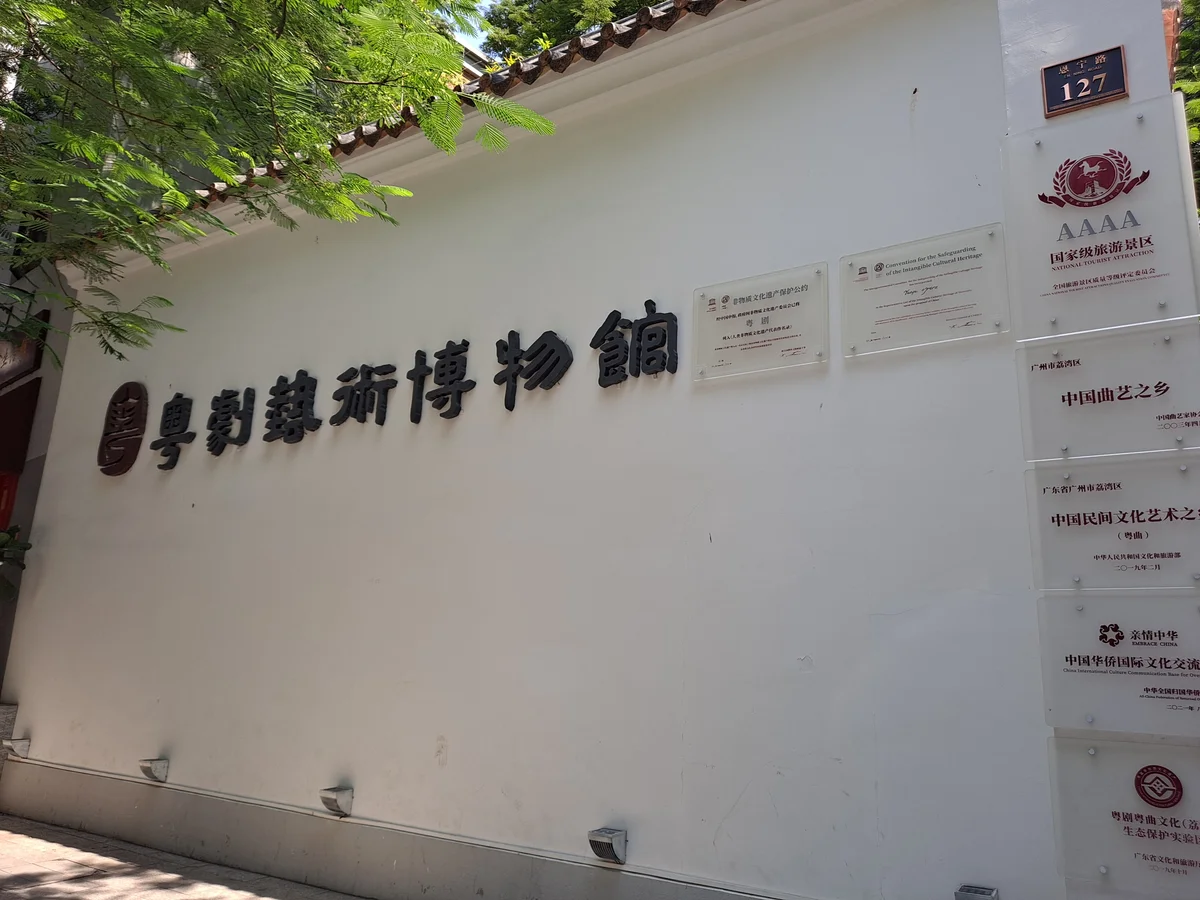
Situated along Enning Road in Guangzhou's historic Xiguan district, Yongqing Fang is a national showcase of urban micro-regeneration, blending century-old Qilou arcades, Xiguan grand mansions, the Cantonese Opera Art Museum, and vibrant creative studios.
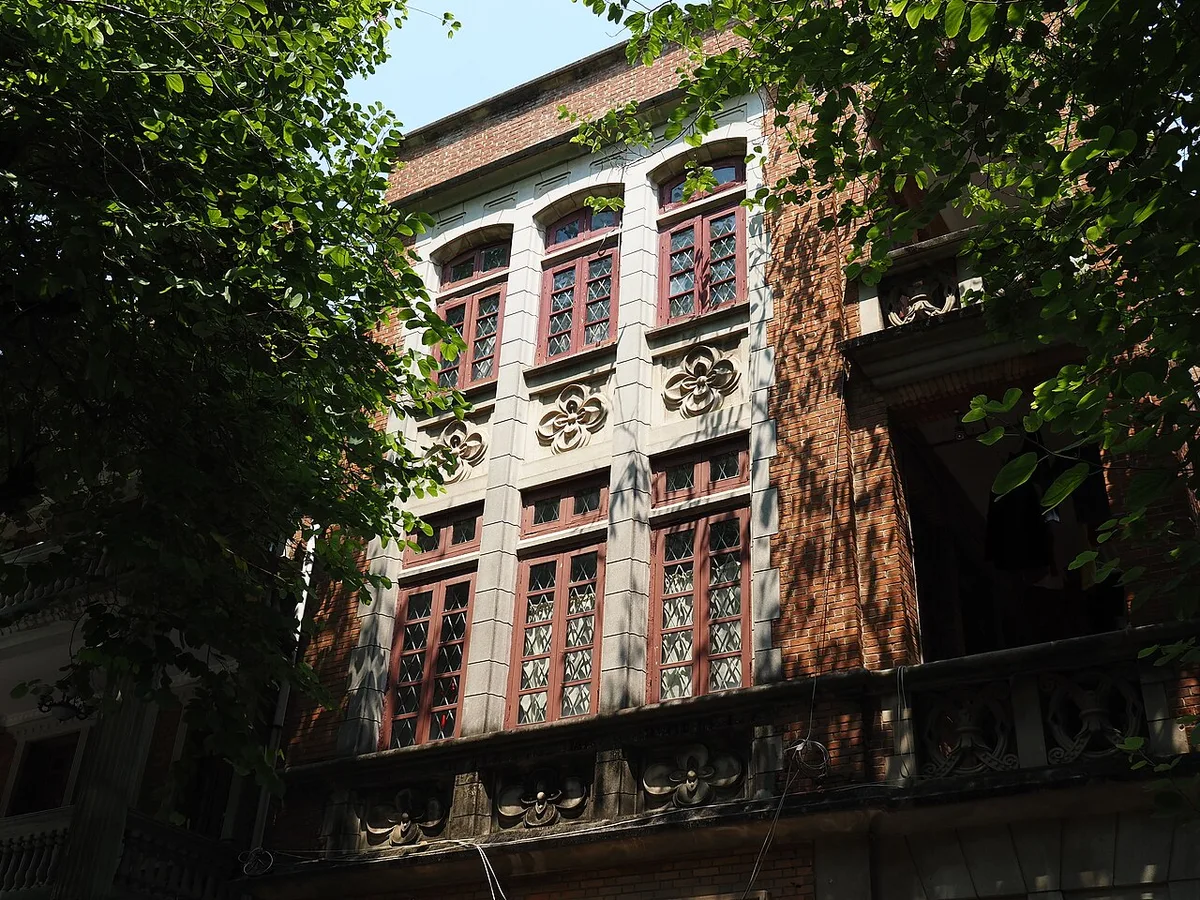
With nearly 400 Republic-era red brick garden mansions shaded by centenary camphor trees, Dongshankou captures the aristocratic soul of early 20th-century Guangzhou where overseas Chinese heritage meets thriving independent cafes and contemporary art spaces.
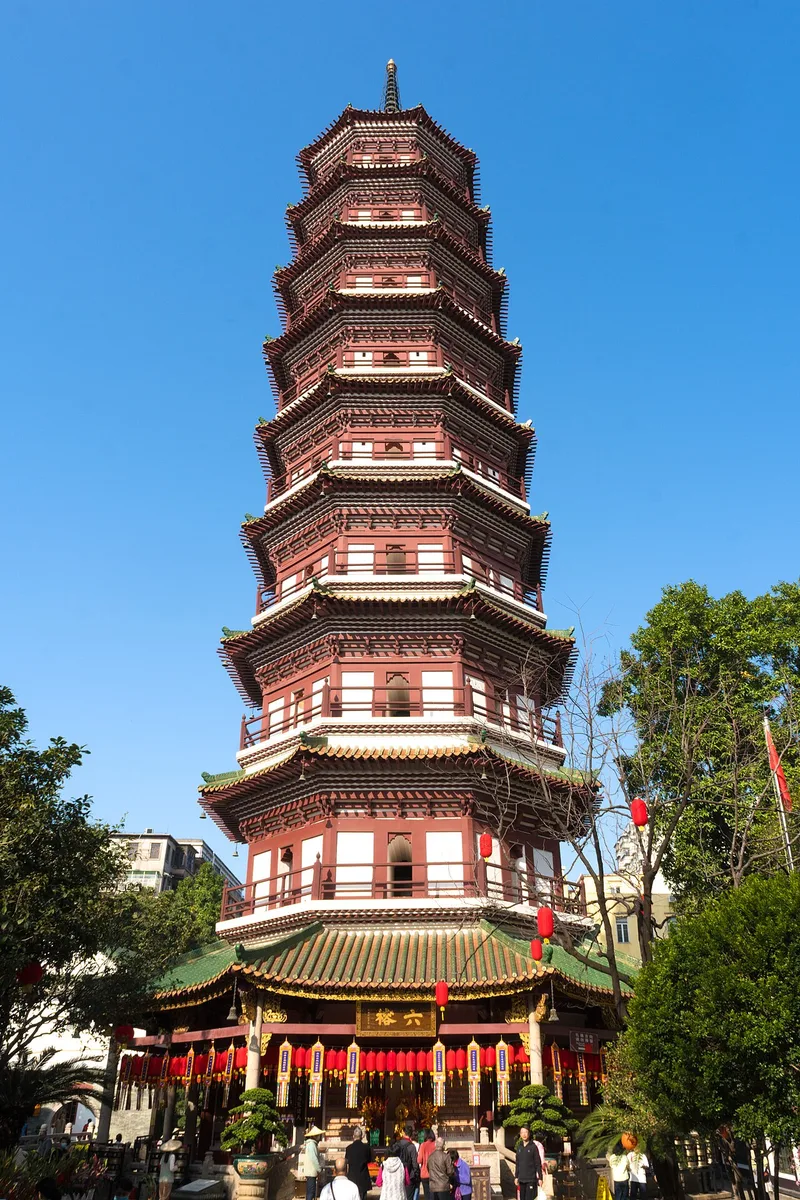
Dominating central Guangzhou with its 57.6-meter octagonal Song Dynasty Flower Pagoda, the Temple of the Six Banyan Trees unites 1,500 years of Buddhist history, Tang literary masterpieces by Wang Bo, and monumental Qing bronze statues.
Plan your ultimate Guangzhou travel experience. From ancestral halls to soaring towers, uncover captivating culture through these best Guangzhou attractions revealing the city's soul.
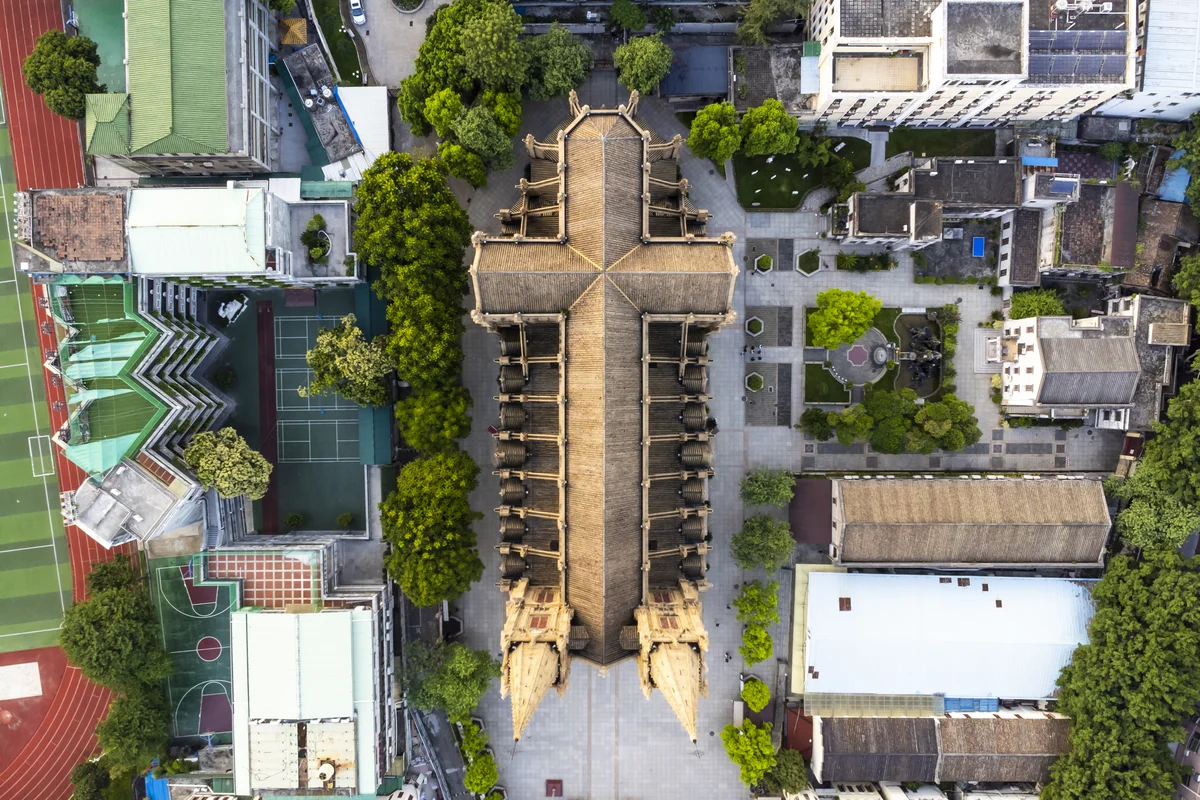
Known locally as Shishi, Guangzhou Sacred Heart Cathedral is one of only four all-granite Gothic cathedrals in the world. Built over 25 years with stone shipped from Kowloon, it stands as an architectural marvel amidst bustling Yide Road.
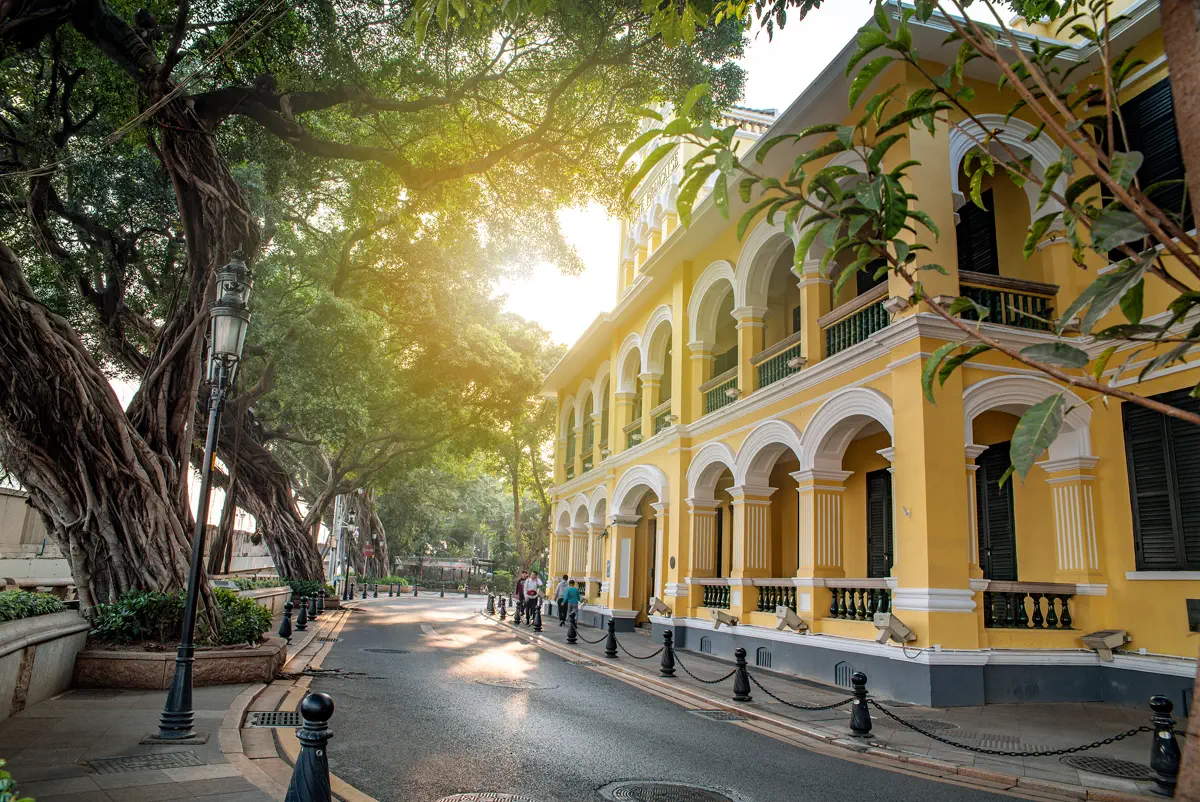
Nestled along the Pearl River in western Guangzhou, Shamian Island offers an open-air museum of 150+ European-style colonial buildings, shaded by a canopy of century-old banyans. Here is your definitive guide to its architecture, history, walking routes, and practical travel logistics.
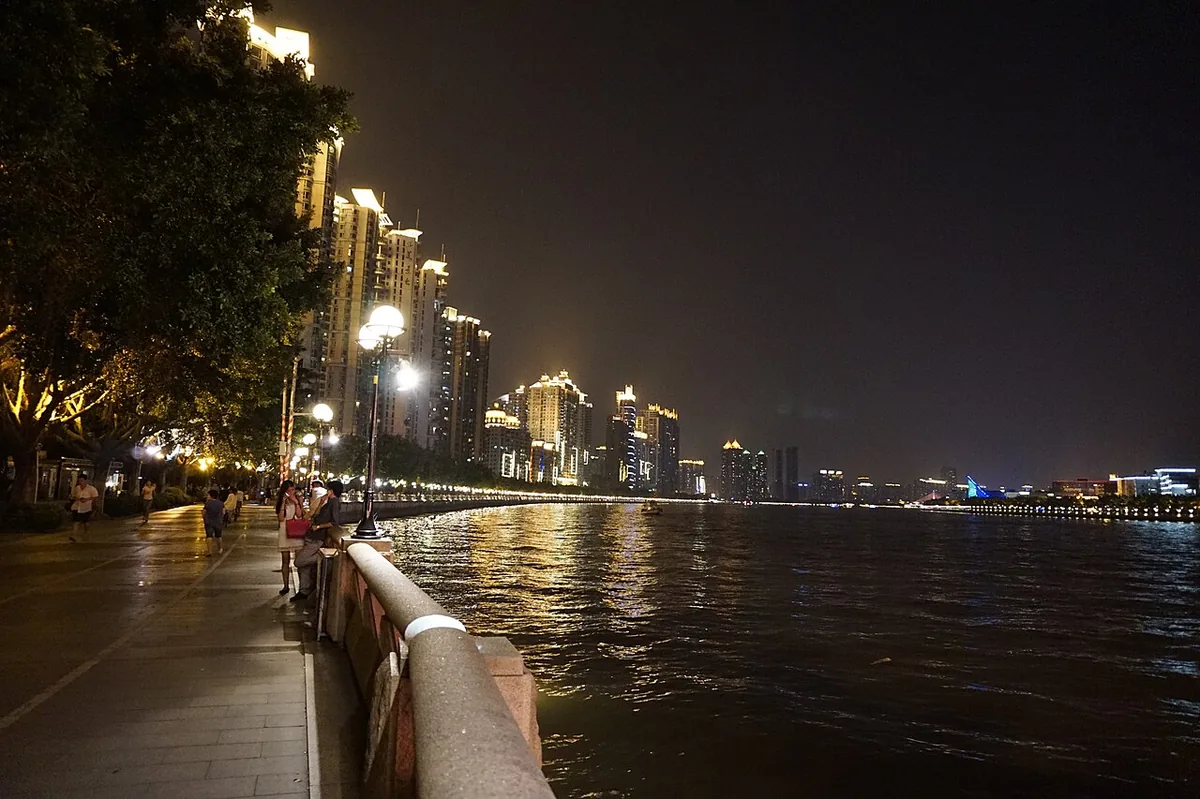
Gliding down the Pearl River beneath glittering bridges, neon-lit skyscrapers, and the soaring Canton Tower, a night cruise is Guangzhou's ultimate evening visual experience.
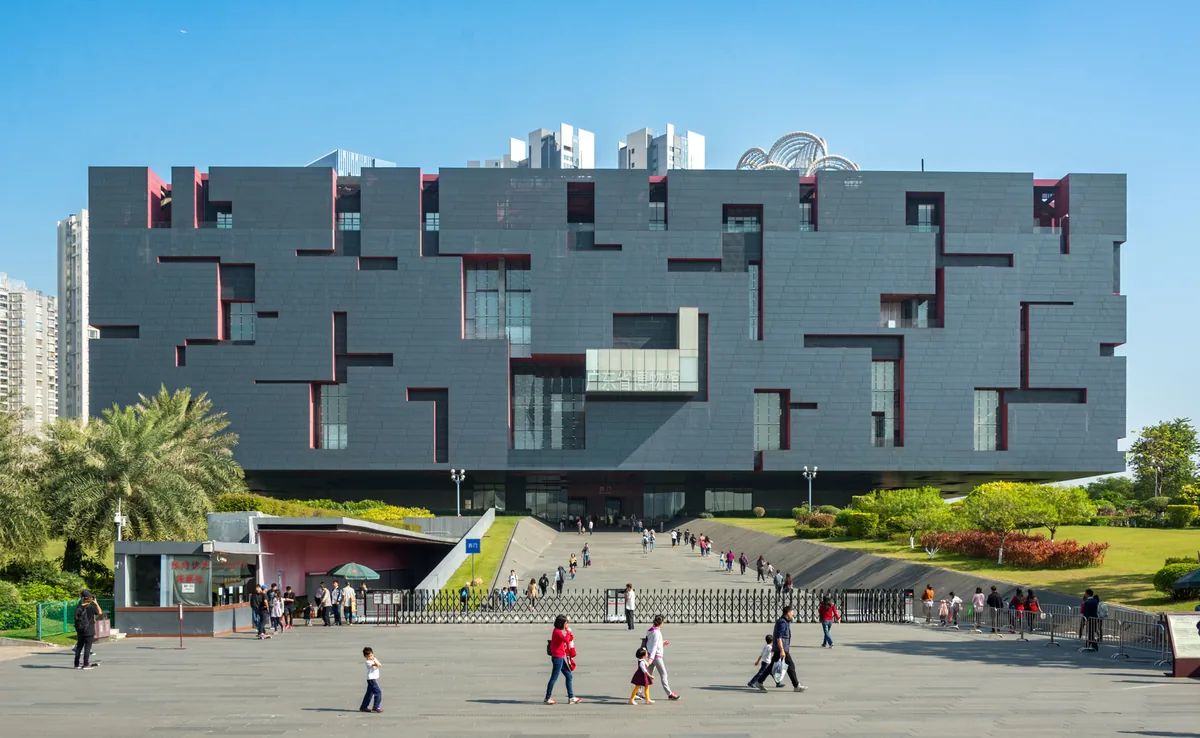
Rising beside Huacheng Square in Zhujiang New Town, the Guangdong Museum houses over 320,000 cultural artifacts inside its iconic Moonlight Treasure Box structure.
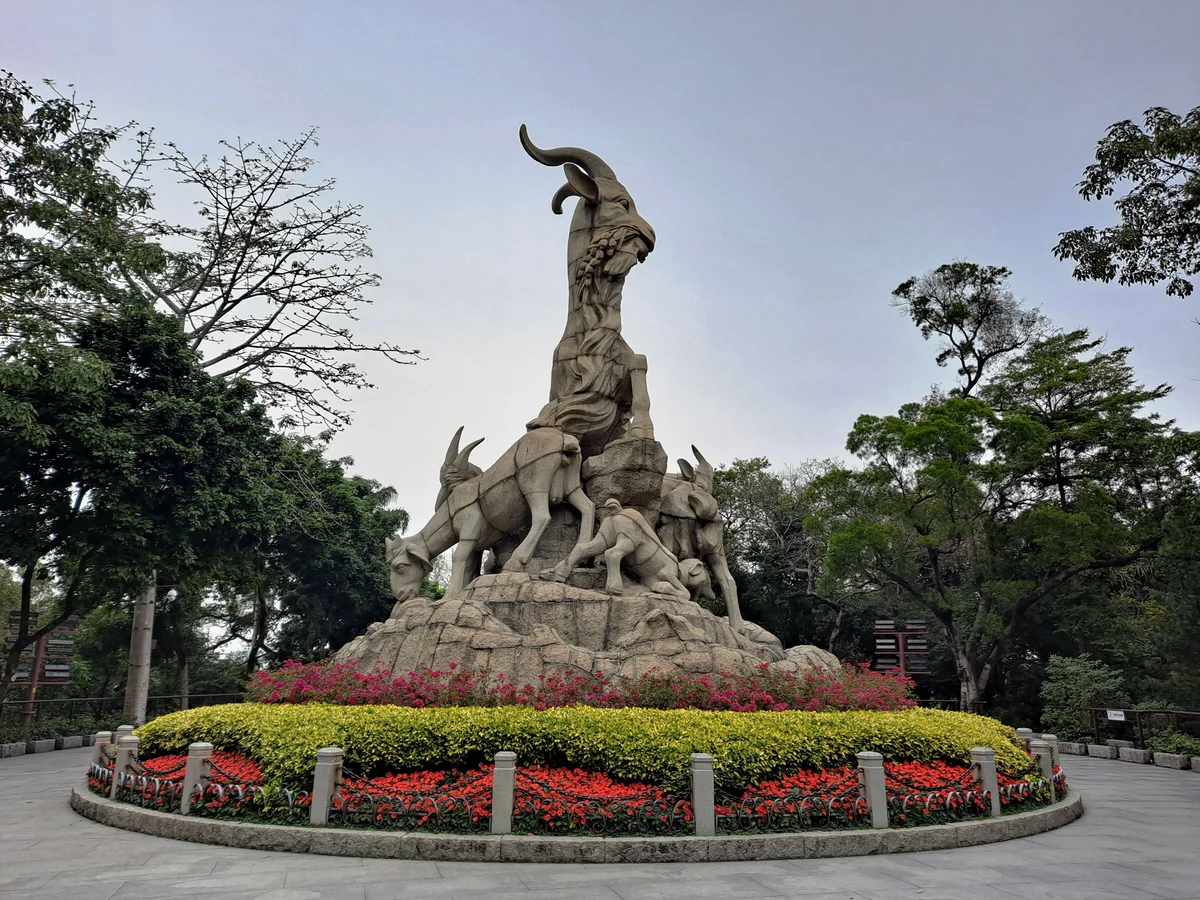
Spanning 860,000 square meters in central Guangzhou, Yuexiu Park is the city's largest urban cultural park. Home to the iconic Five Rams Sculpture, 600-year-old Ming Dynasty city walls, and Zhenhai Tower, here is your definitive visitor guide.
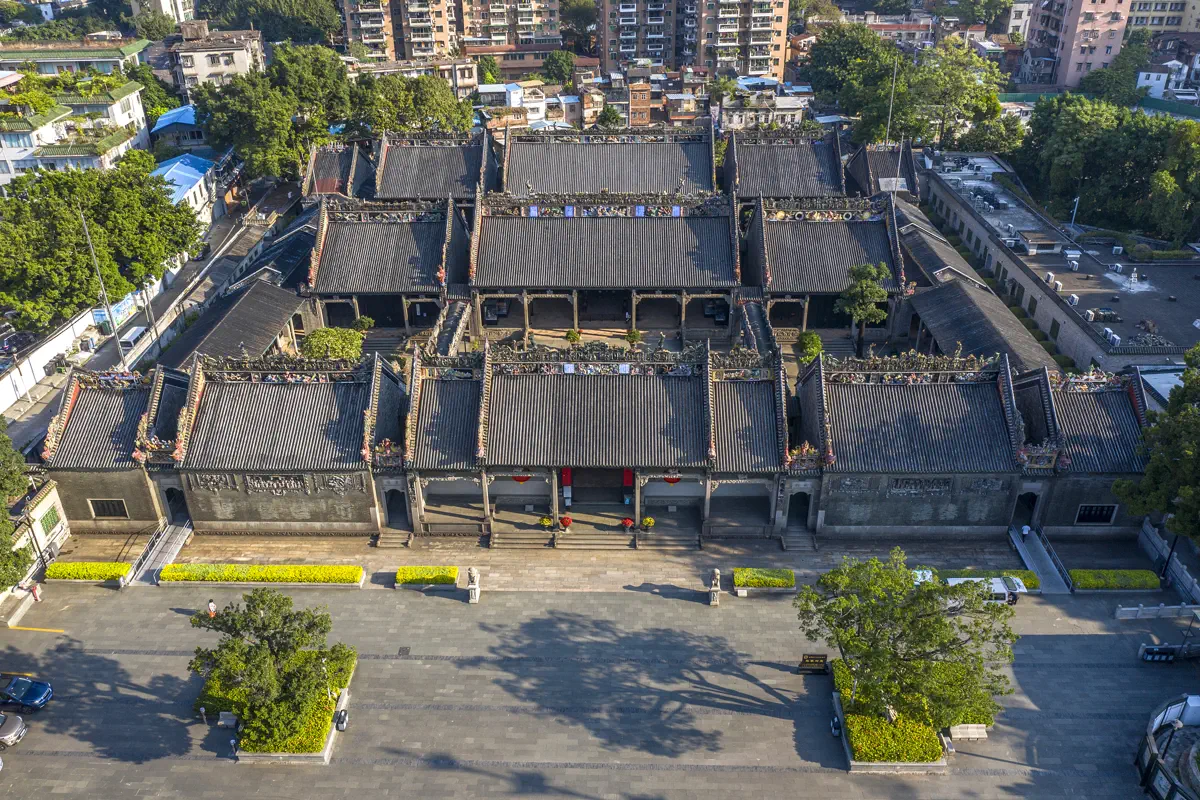
Built in 1893 by 72 Chen clans across Guangdong, the Chen Clan Ancestral Hall is the crowning peak of late-Qing Lingnan decorative craft, home to the Guangdong Folk Art Museum.
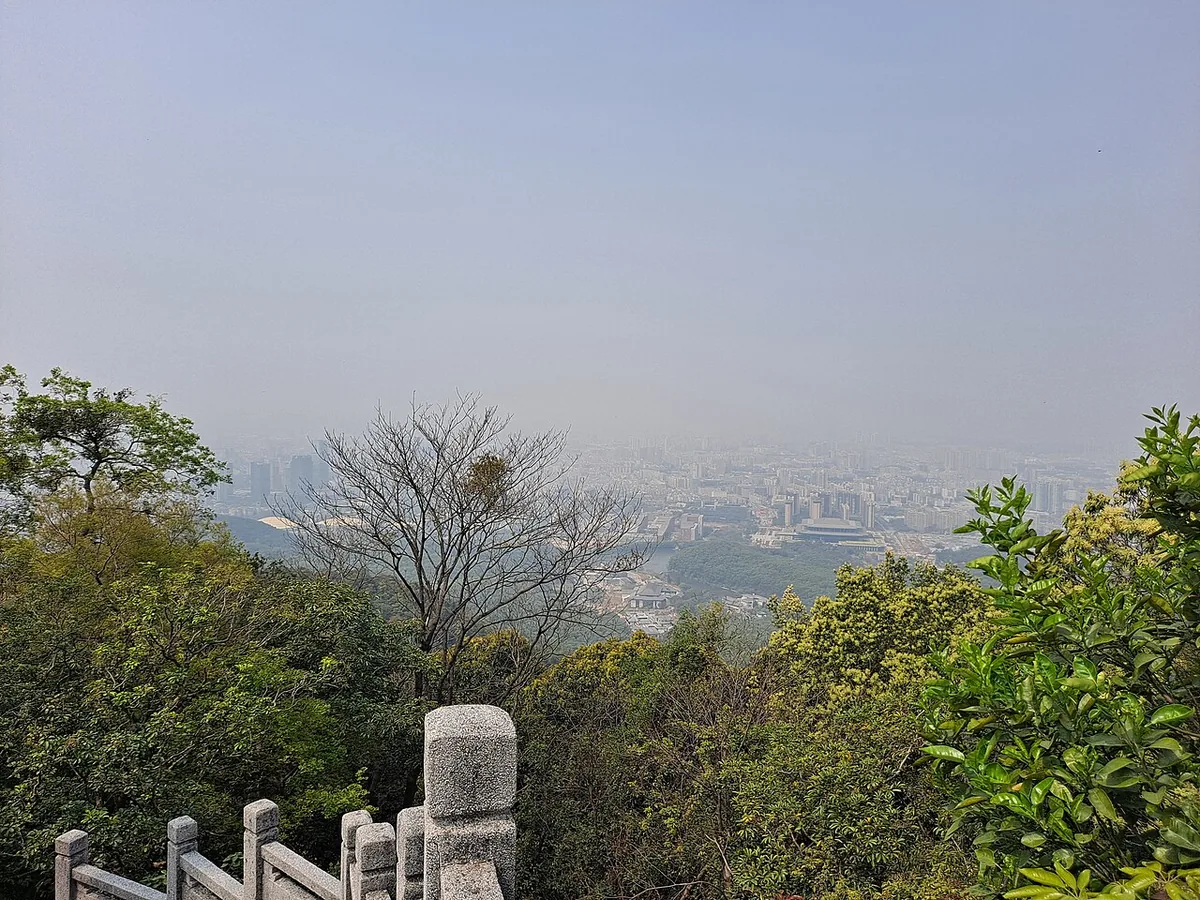
Known as the 'First Beauty of Canton', Baiyun Mountain rises 382 meters above Guangzhou with lush pine forests, the historic Baiyun Cableway, and sweeping panoramas of the urban skyline.
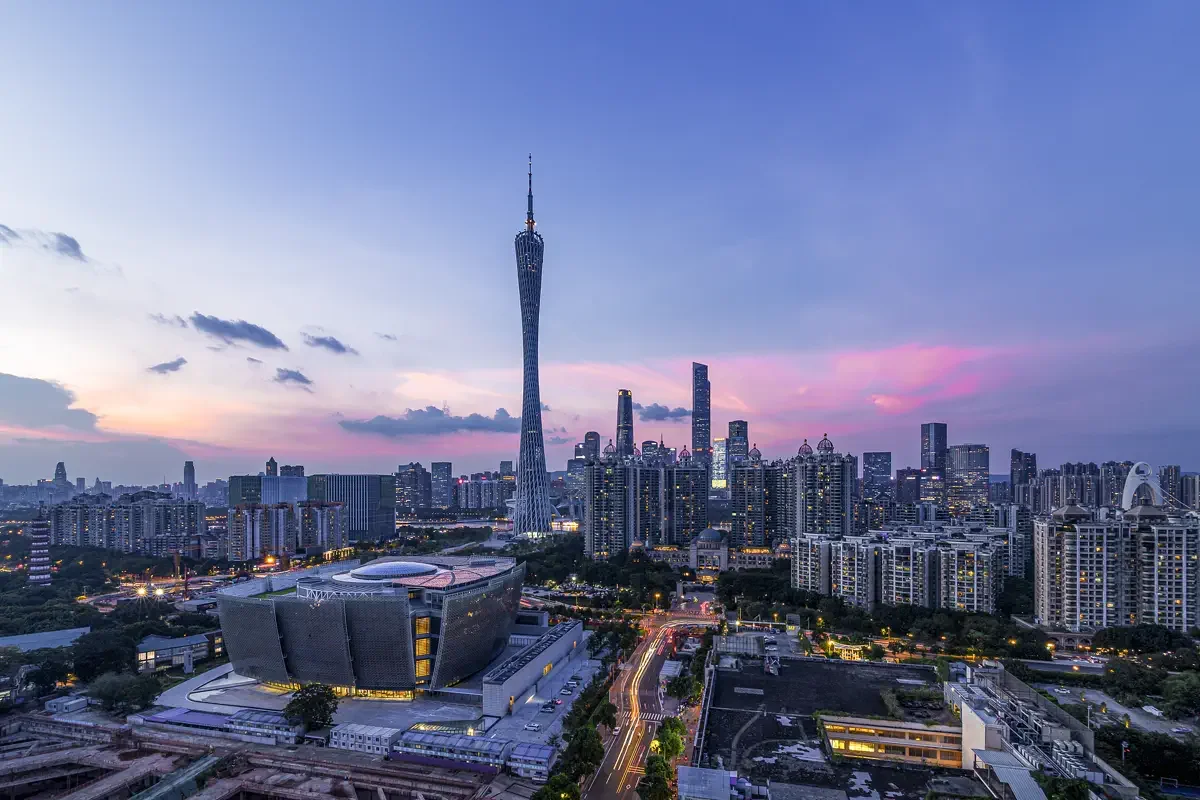
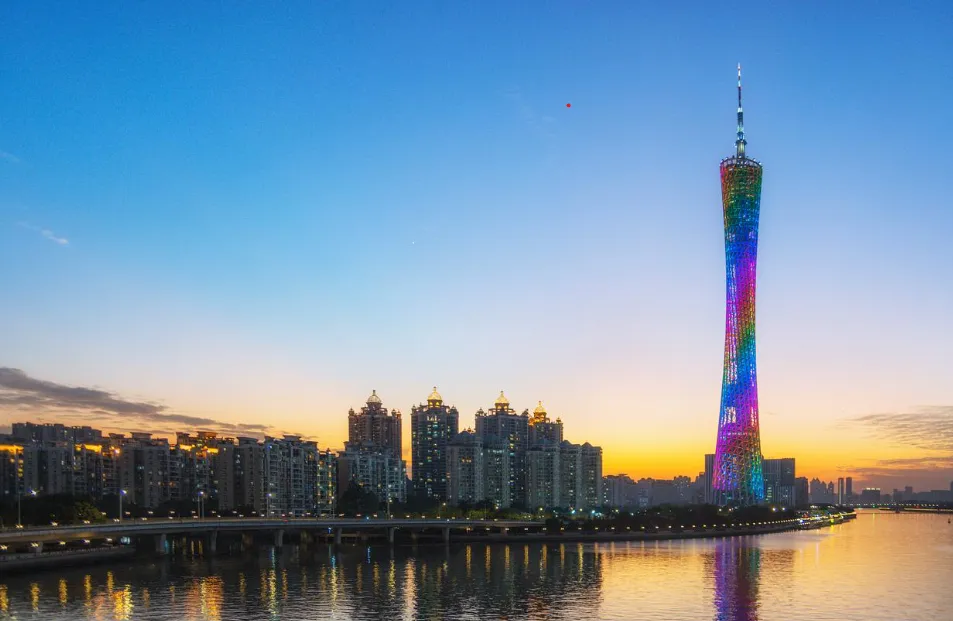
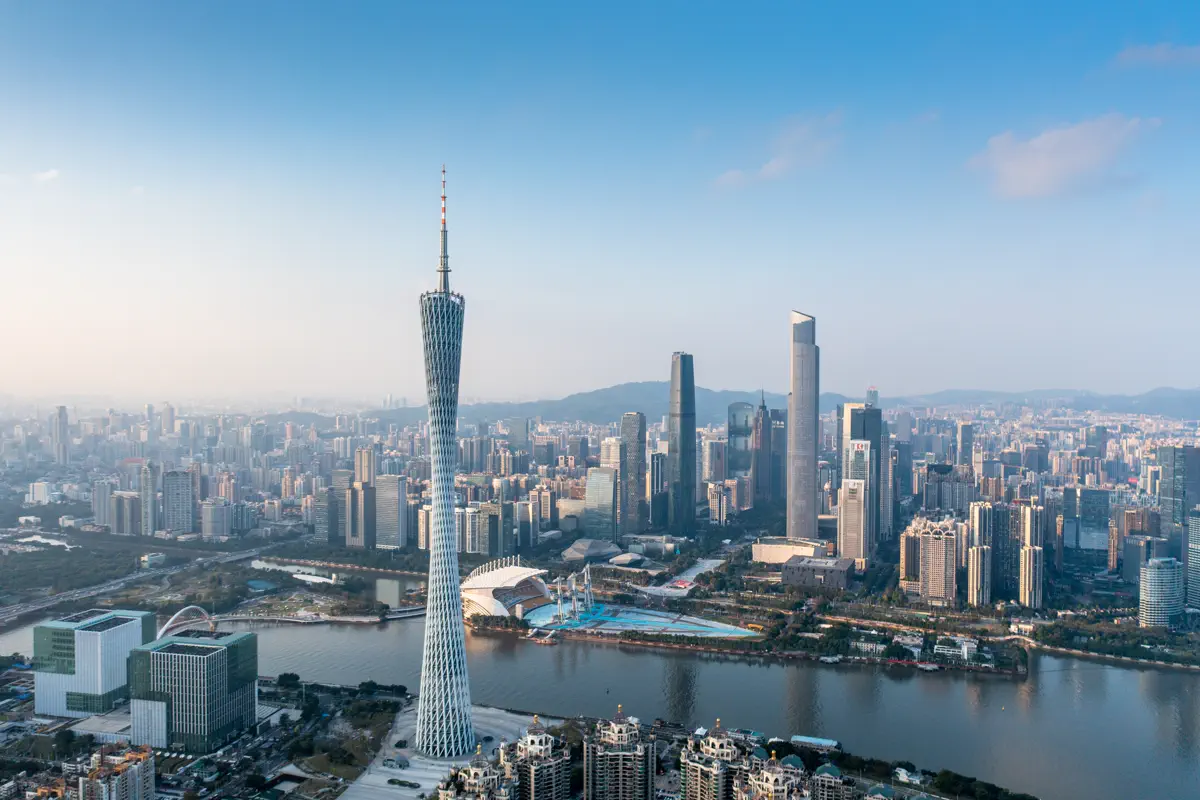
Standing 600 metres tall on the southern bank of the Pearl River, Canton Tower is China's tallest tower and the crowning modern icon of Guangzhou's new urban axis.