Guangzhou Attractions 7 min read
Guangzhou Museum of Art: Guide to the New Venue
Discover the new Guangzhou Museum of Art near Canton Tower. Explore kapok petal architecture, Lingnan painting collections, tickets, and metro access.
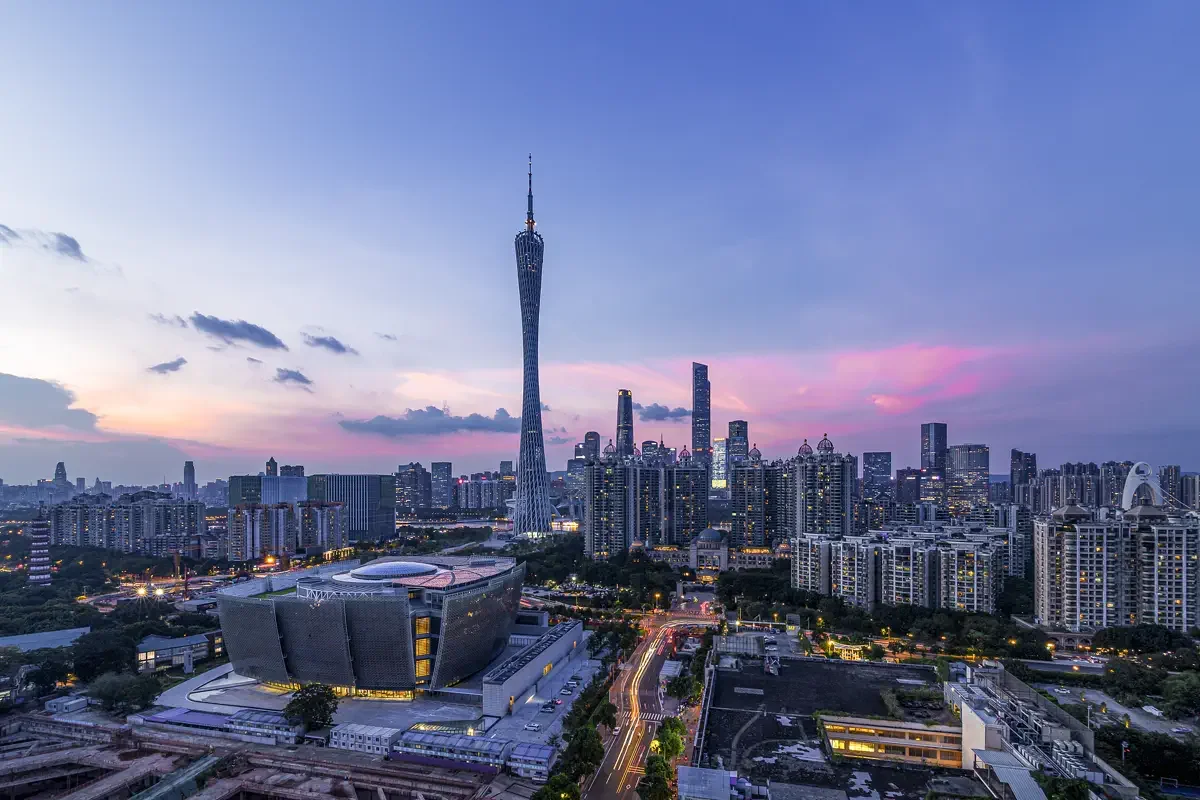
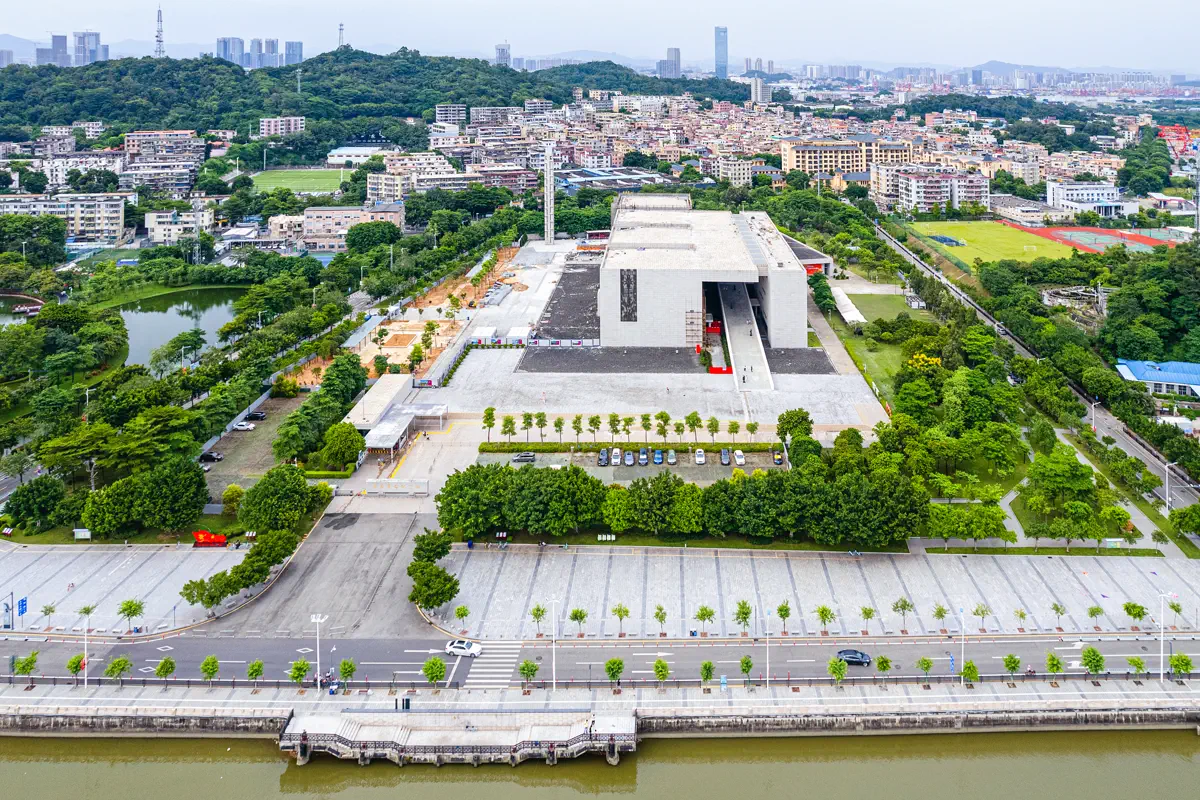
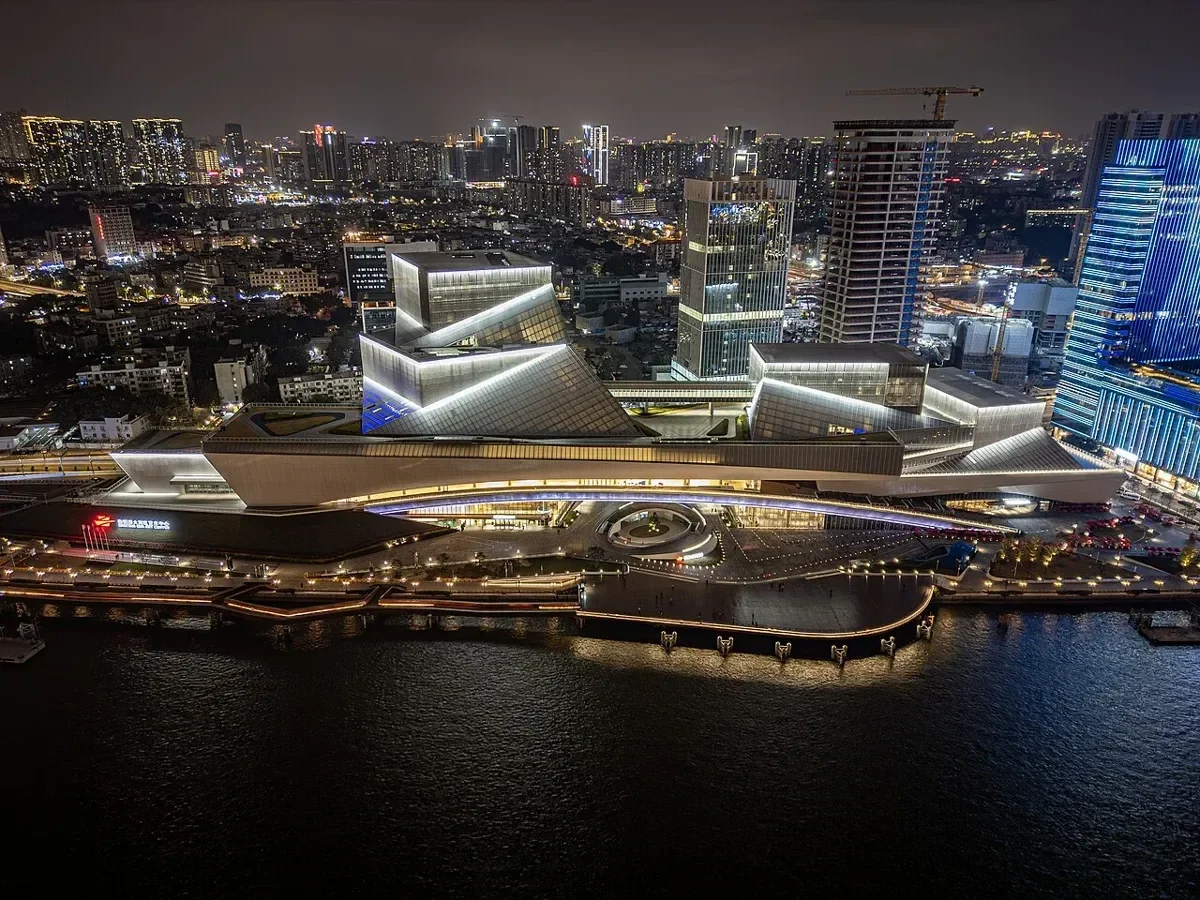
Along Yiyuan Road on the southern section of Guangzhou’s urban central axis, an extraordinary building appears like a blossoming red kapok floating above a perimeter water basin. This venue serves as the new home of Guangzhou Museum of Art, while also carrying the title of Guangzhou Art Museum. The two historic names reflect nearly seven decades of urban artistic evolution. In late 2023, the institution officially inaugurated this eighty thousand square meter facility, creating one of South China’s premier national key art museums directly opposite the city skyline.
Getting to Guangzhou Museum of Art by Metro
Reaching the new venue via Guangzhou’s public transit network is straightforward from any major district.
The primary access point is Kecun Station along Metro Line 3 and Line 8. Travelers exit through Exit B, turn north along Yiyuan Road, and reach the museum’s southern entrance plaza within an easy eight-minute walk.
Alternatively, travelers arriving from Zhujiang New Town can take Line 3 or the automated APM Line across the river to Canton Tower Station. From there, exiting through Exit B allows visitors to stroll south through the landscaped greenway past the landmark tower, arriving at the museum gate within twelve minutes.
Visitors traveling on foot from the northern riverside can cross the Pearl River via Haixin Bridge, continuing past Canton Tower directly toward the museum plaza. This walking route offers continuous panoramic views of Guangzhou’s contemporary architectural corridor.
From Yuexiu Mountain to Haizhu Cultural Center
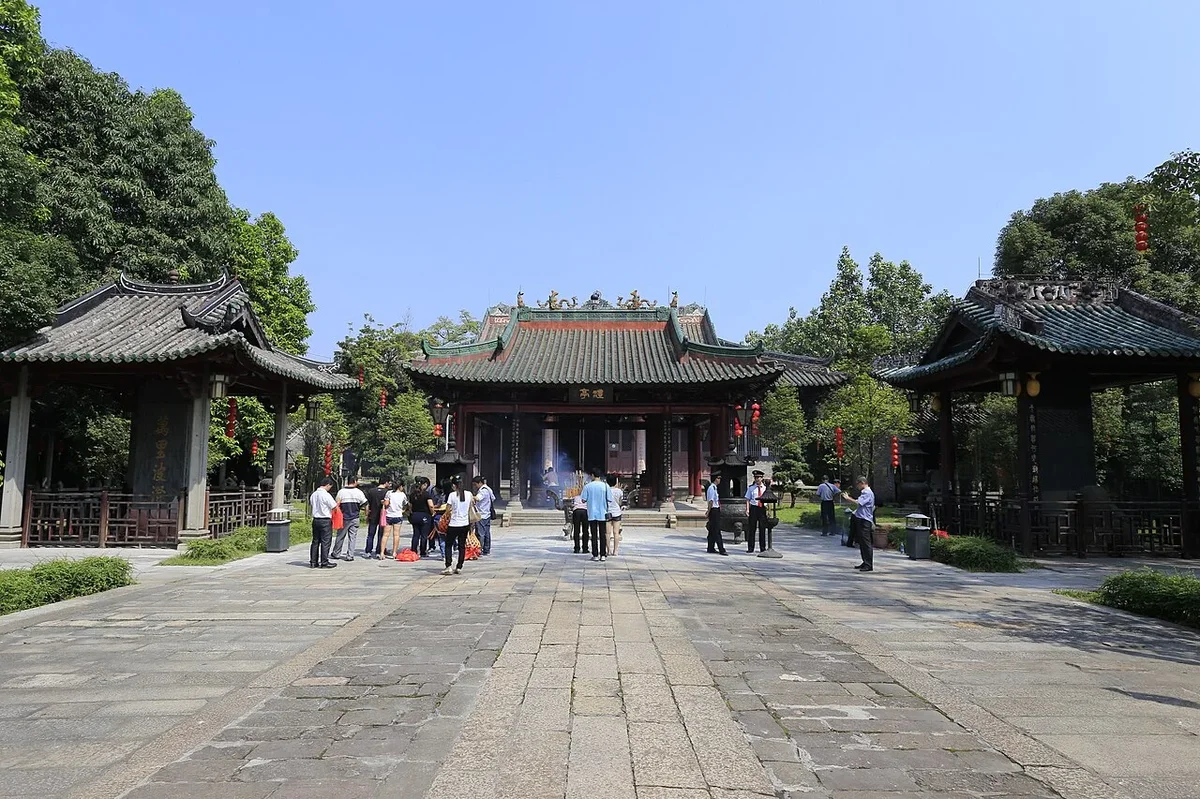
Guangzhou’s public art collection traces back to February 1957, when the original Guangzhou Art Museum was founded inside the historic Zhongyuan Library on Yuexiu Mountain. It was among the earliest public art galleries established in modern China, amassing thousands of classical scrolls donated by local connoisseurs and scholars.
In 2000, the institution expanded into a garden-style complex along the scenic banks of Luhu Lake near Baiyun Mountain. While that setting offered tranquility, growing collections and expanding exhibition programs demanded modern environmental controls, digital curation systems, and dedicated preservation vaults.
The municipal government selected Haizhu District for the purpose-built permanent home, placing it side by side with the upcoming science museum and cultural heritage facilities. The grand opening on November 30, 2023, marked a milestone in the city’s museum history. Today, the institution holds dual honors as both a National First-Class Museum and a National Key Art Museum, housing more than thirty-three thousand classical paintings, calligraphic masterworks, and regional folk art objects.
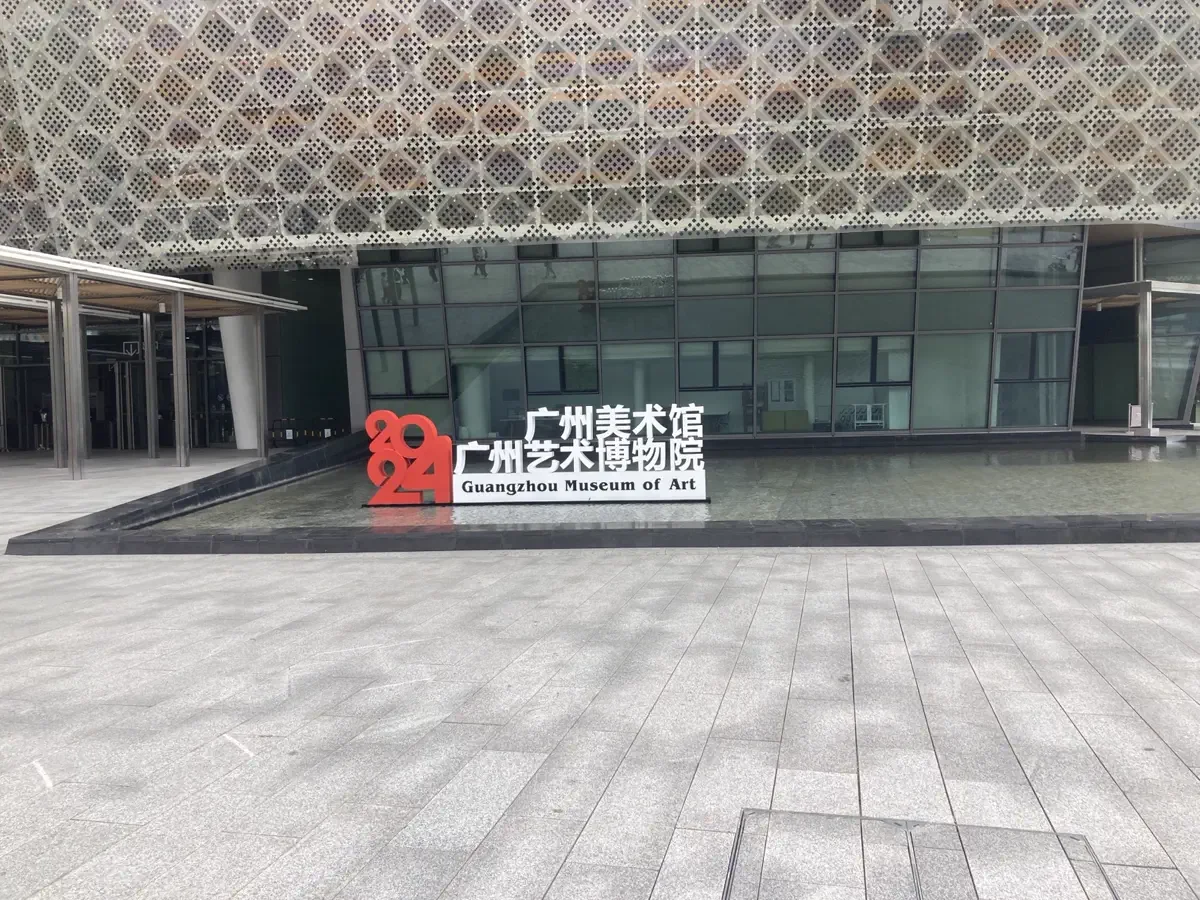
Kapok architecture and near-zero energy design
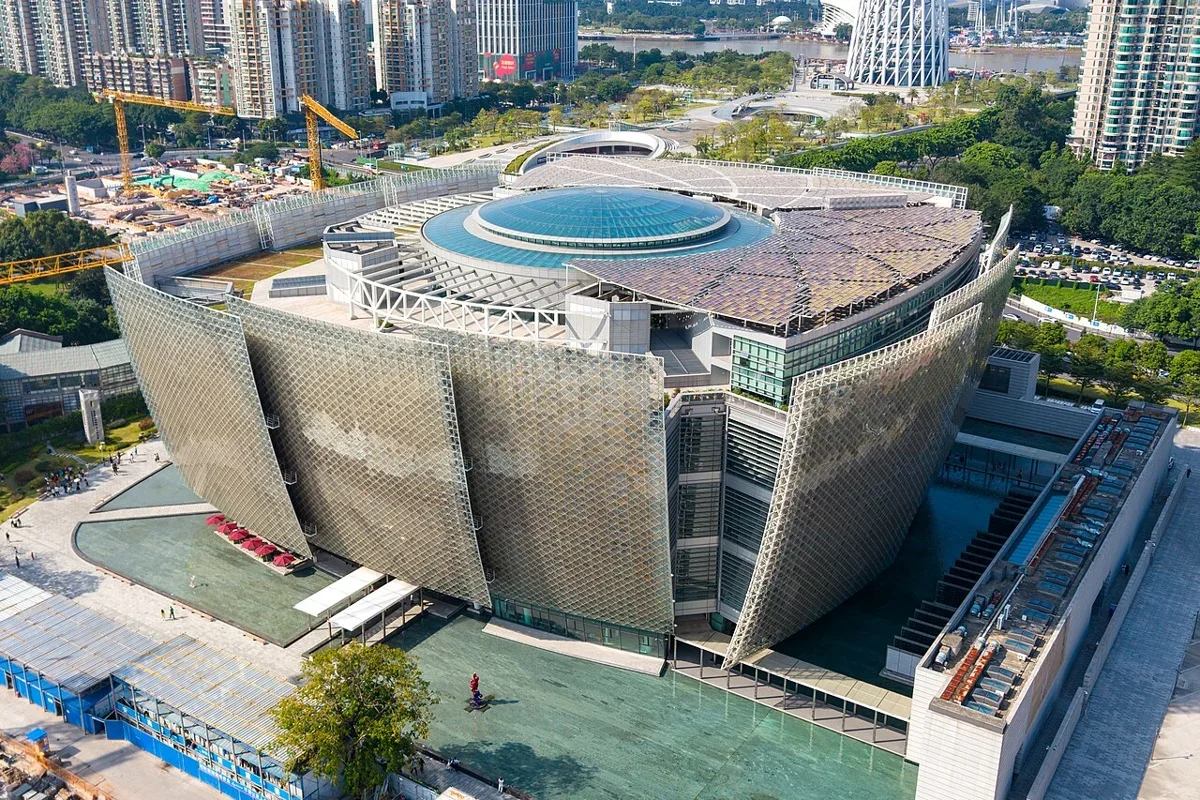
The architectural identity of the new complex comes from a collaborative vision between German firm Thomas Herzog Architekten and the Architectural Design and Research Institute of South China University of Technology. Herzog, an internationally celebrated pioneer of bioclimatic architecture, conceived the building around the symbolic civic flower of Guangzhou, the red kapok.
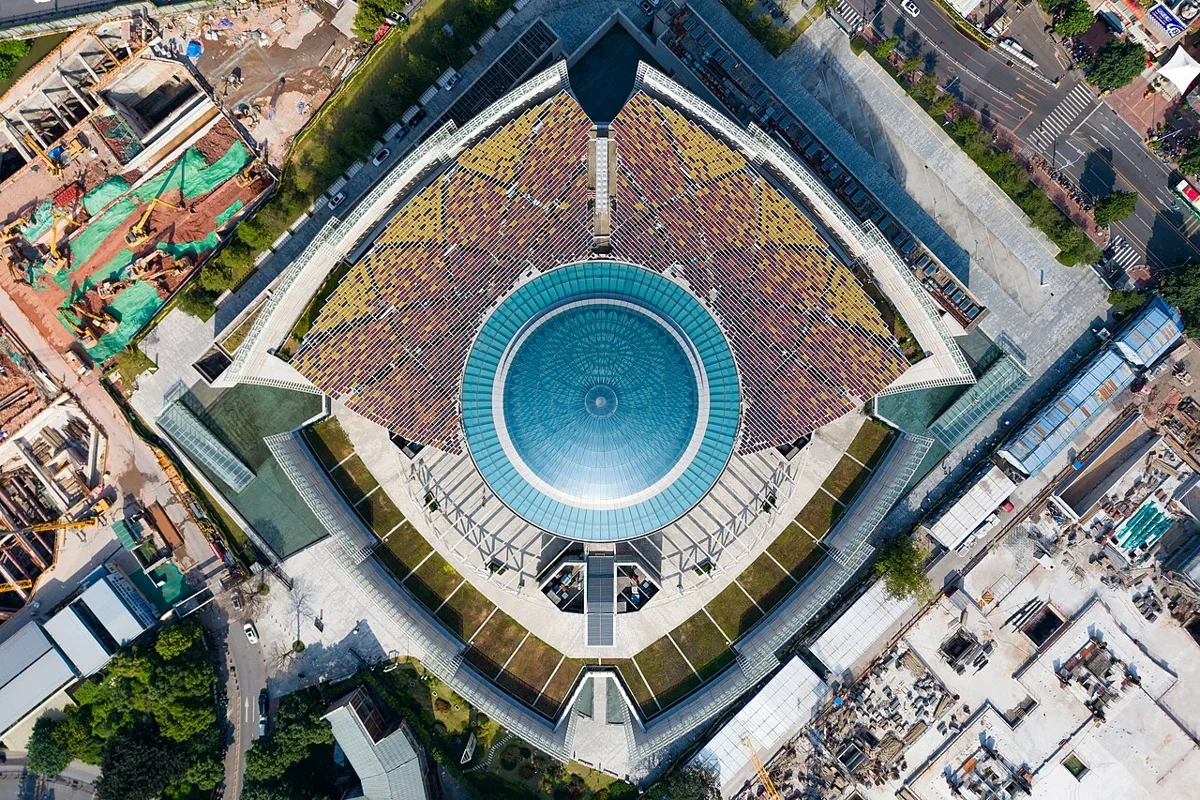
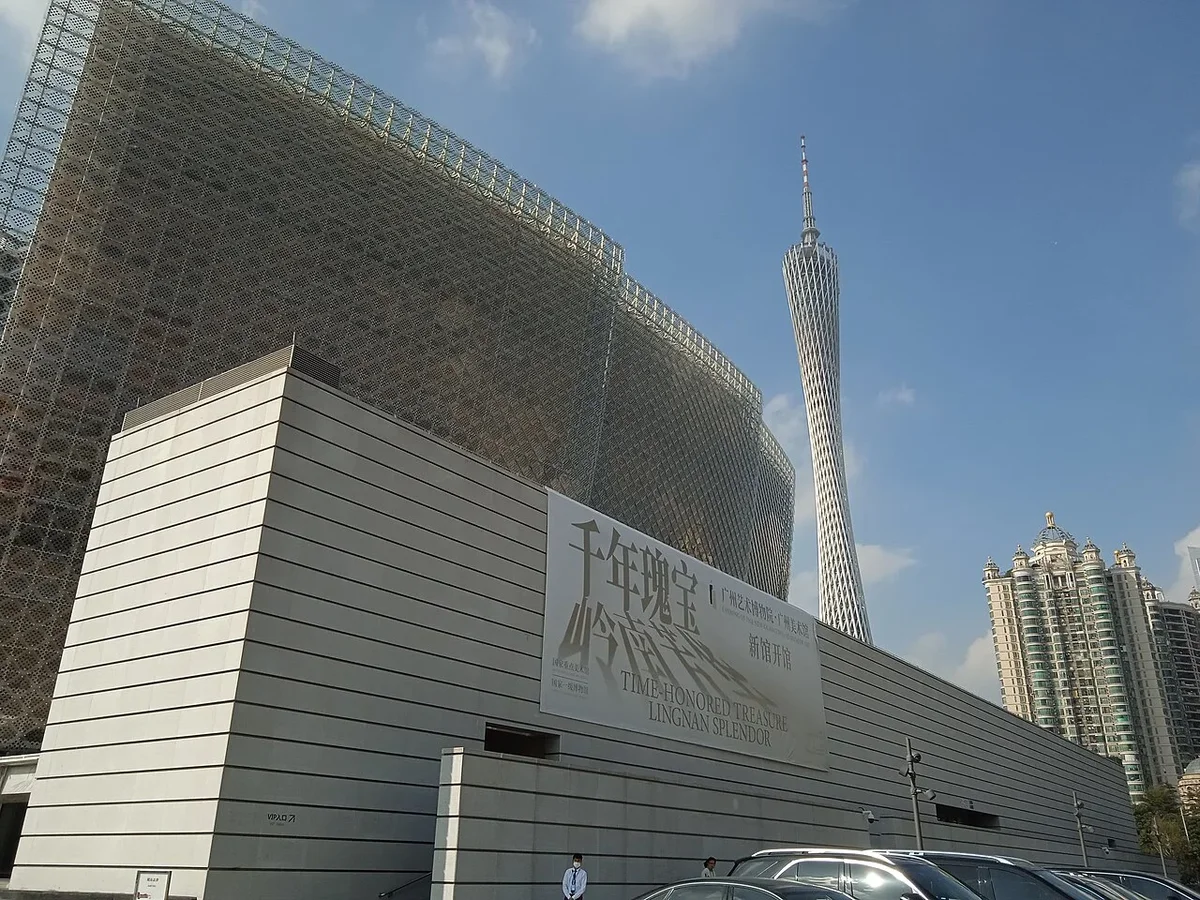
Five distinct curved petal volumes cluster around a central circular nucleus. Each petal curves outward as it rises, creating the visual impression of a flower blossoming from the surrounding water pools. The building exterior integrates over twenty-one thousand specialized photovoltaic glass panels. These panels shield the interior galleries from intense subtropical solar gain while generating clean electric power for the complex.
Thanks to this advanced building envelope, intelligent ventilation louvers, and subterranean thermal insulation, the structure earned both the Chinese 3-Star Green Building certification and the national Near-Zero Energy Building credential. The metal latticework shimmers with changing daylight, transforming from pearlescent silver at midday to warm bronze in late afternoon.
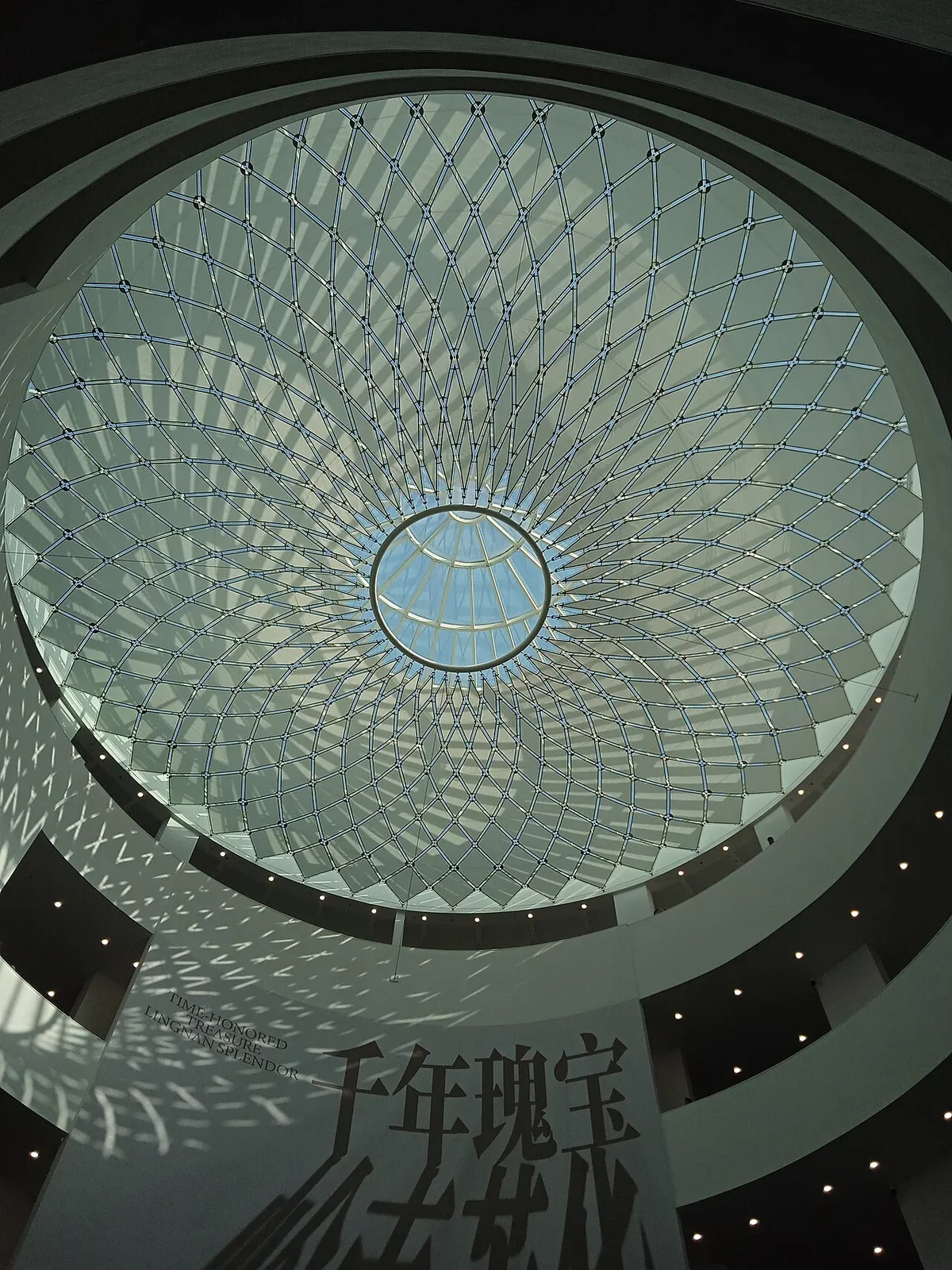
The central light atrium and forty-meter sunlit dome
Stepping into the central reception space reveals the museum’s signature spatial wonder, the Grand Light Atrium. Towering nearly forty meters overhead, an arched glass dome spans the entire circular void, filling the gallery core with filtered natural illumination.
Intricate structural steel ribs crisscross beneath the skylight like the delicate radial filaments of a blossom. As the sun traverses the southern sky, diamond-shaped shadows and shimmering highlights glide across the curved white walls, creating an ever-shifting dance of natural light.
Rather than relying on central stairs, the architects designed a continuous barrier-free spiral ramp that gently coils upward along the atrium perimeter. Visitors ascend without feeling the physical effort of climbing, watching the perspective expand from ground-floor terrazzo paving toward the suspended dome above. This spiral ramp connects all five above-ground exhibition tiers, giving travelers an uninterrupted visual panorama of fellow art enthusiasts moving through the bright white atrium.
Treasure galleries and Lingnan school masterpieces
Across twenty-one state-of-the-art exhibition galleries, the museum presents a comprehensive journey through traditional Chinese painting, regional calligraphy, and modern creative evolution.
The classical painting halls house exquisite historical works, including Ming Dynasty master Wen Zhengming’s famed scroll depicting the scenic luminaries of Jinchang, alongside Qing Dynasty landscape painter Hongren’s Yellow Mountain scenes. Displayed under micro-climate controlled cases with gentle fiber-optic illumination, these centuries-old scrolls exhibit extraordinary brushwork precision and tranquil mountain vistas.
The cultural crown of the institution is its unmatched permanent collection of the Lingnan School of Painting. Originating in late Qing Dynasty Guangdong, this artistic movement challenged rigid academic conventions by blending traditional ink washes with naturalistic observation and Western watercolor techniques. The museum showcases early botanical studies by Ju Chao and Ju Lian, who pioneered the signature water-infusion and powder-infusion techniques.
Upstairs, dedicated memorial galleries celebrate the three founding giants of modern Lingnan art, Gao Jianfu, Chen Shuren, and Gao Qifeng. Further halls showcase second-generation masters who achieved international acclaim, including Zhao Shaoang’s vivacious birds, Guan Shanyue’s resilient winter plums, Lai Shaoqi’s powerful woodcuts, and Li Xiongcai’s dramatic misty pine landscapes.
Complementing classical ink scrolls, subterranean and upper galleries host rotating contemporary oil showcases, monumental sculpture installations, and immersive multimedia art projections. These digital galleries reconstruct antique landscape paintings into walk-through sensory realms where rivers flow, pavilions shimmer, and brushstrokes detach into digital light.
Reflecting pool views and photography angles
The exterior grounds provide some of the finest photography vantages in urban Guangzhou. A shallow reflecting pool wraps around the stone podium, insulating the gallery floors from urban noise while mirroring the surrounding architecture.
Standing near the southwest perimeter pool allows photographers to capture the museum’s sculptural facade alongside the soaring needle of Canton Tower in a single wide-angle frame. On calm afternoons, the water surface creates crisp reflections of the lattice panels and the blue sky.
Inside the museum, the top tier of the spiral ramp presents ideal viewpoints for capturing the geometric repetition of the glass dome. Morning visitors between nine and eleven enjoy the sharpest sunlight shadows streaming across the northern interior wall.
As sunset approaches, visitors gather around the outdoor promenade on Yiyuan Road. The setting sun reflects gold against the solar facade, followed by the soft warm interior illumination that contrasts against the illuminated spire of Canton Tower just six hundred meters away.
Practical visiting guide and reservation process
A visit to the museum requires simple advance planning to ensure seamless entry.
General admission to permanent collection galleries and regular exhibitions is entirely free for domestic and international visitors. However, real-name advance booking remains compulsory. Visitors reserve their entry pass through the museum’s official WeChat mini-program up to seven days ahead, selecting either a morning slot or an afternoon slot. International travelers can register by entering their passport number during the online checkout process.
The museum opens Tuesday through Sunday from 9 00 in the morning until 17 00 in the afternoon. Last admission takes place at 16 00, with exhibition rooms beginning closing procedures twenty minutes prior to closing time. The complex closes every Monday for building maintenance and gallery conservation, remaining open on statutory public holidays.
Visitors should note that large backpacks, luggage, umbrellas, and liquids are not permitted inside exhibition halls. Free self-service electronic luggage lockers and audio guide rental stations are located beside the main entrance lobby.
For a fulfilling cultural day, consider pairing the art museum with nearby riverside highlights. Spend two to three hours exploring the ink paintings, step outside around four in the afternoon to cross Haixin Bridge, and finish your evening dining across Huacheng Square or exploring the historic halls of the Guangdong Museum.
Frequently asked questions
Is admission to Guangzhou Museum of Art free
Yes, general admission to the museum and its permanent exhibition halls is completely free. Visitors only need to book an entry pass in advance through the official online booking channel.
How far is the museum from Canton Tower
The museum sits roughly six hundred meters south of Canton Tower. Walking between the two attractions takes approximately eight to ten minutes along the tree-lined pedestrian path of Yiyuan Road.
Which metro station is closest to the art museum
Kecun Station on Metro Line 3 and Line 8 is the closest station. Taking Exit B brings visitors within an eight-minute northward walk of the main southern gates. Canton Tower Station is another viable choice, located ten to twelve minutes north on foot.
What are the photography rules inside galleries
Handheld non-flash photography without tripods or selfie sticks is welcome throughout the central atrium and permanent galleries. Certain temporary loaned exhibitions from overseas institutions may restrict photography, indicated by floor signs.