Guangzhou Attractions 5 min read
Memorial Museum of 1911 Revolution and Changzhou Island
Explore the Memorial Museum of 1911 Revolution on Changzhou Island, featuring bold architecture, historic Shenjing Village, and scenic Pearl River ferries.
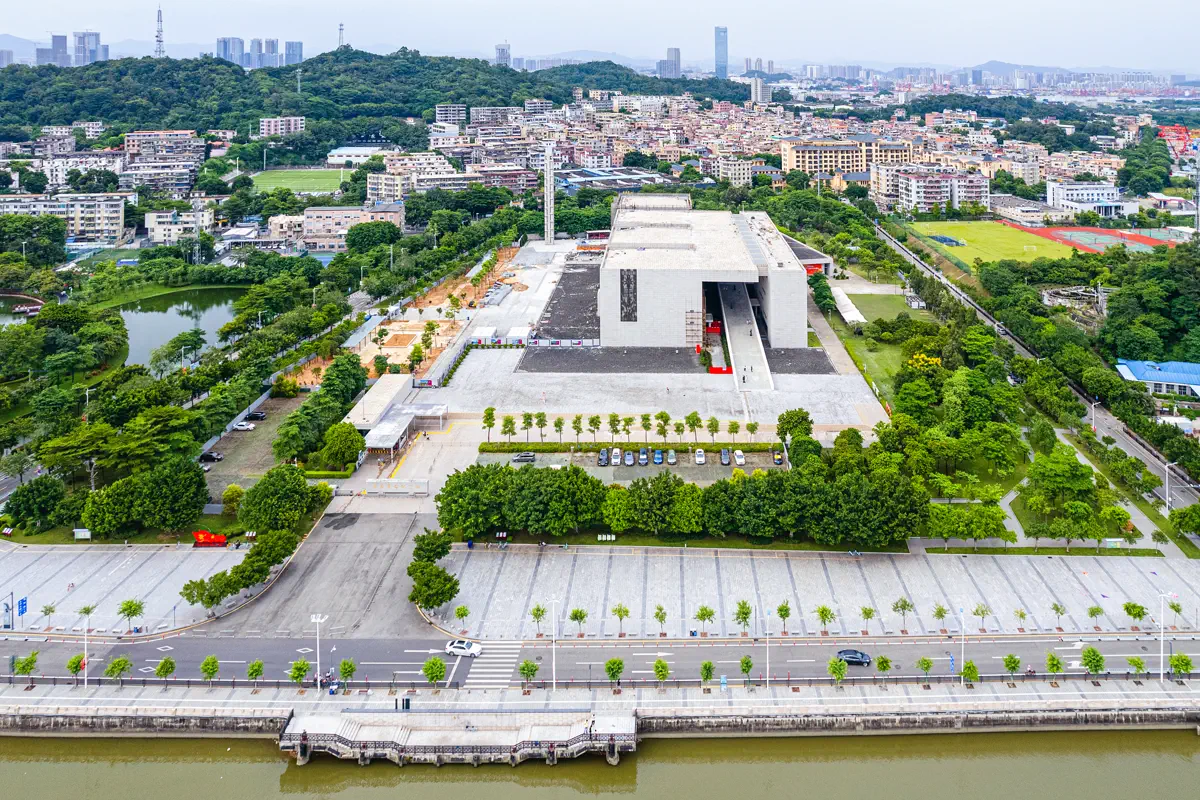
The Memorial Museum of 1911 Revolution sits along Jinzhou North Road on Changzhou Island in Huangpu District. Surrounded by open waterways of the Pearl River, lush banyan groves, and historic boatyards, the national first-grade museum stands as a monumental tribute to the revolution that ended imperial dynastic rule in China. Together with the nearby Whampoa Military Academy and Peasant Movement Institute, the island forms a critical link in the revolutionary heritage of Guangzhou.
Architectural design and the canyon passage
Designed by the Architectural Design and Research Institute of South China University of Technology, the museum takes the form of a massive boulder split open by a giant historical blade. This sculptural concept symbolizes the transformative force of the 1911 Xinhai Revolution, which broke through thousands of years of autocratic rule to establish a modern republic.
The building envelope is assembled from rugged grey granite slabs, echoing weathered rock cliffs shaped by decades of water currents. A sunken ramp road slopes gradually from the entrance plaza directly into the core of the structure. High granite walls converge on both sides, creating a solemn passage known as the Historical Canyon.
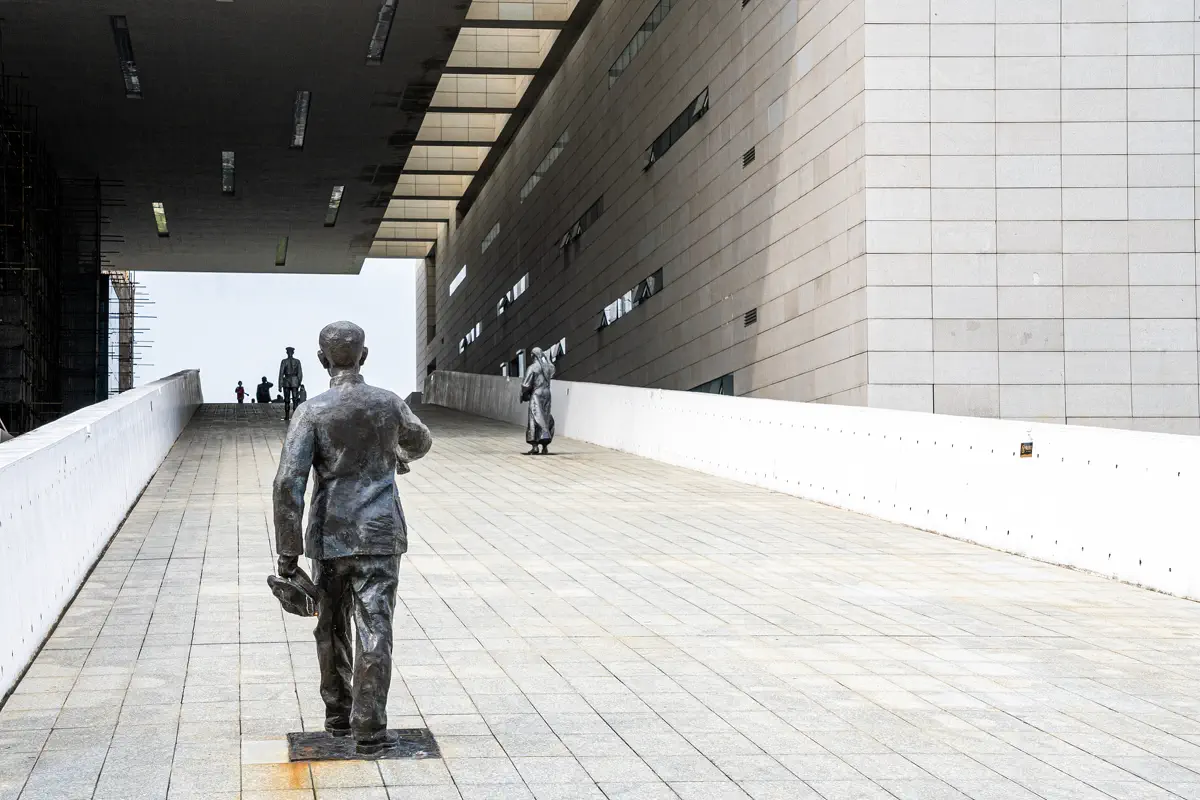
Ascending the ramp brings visitors into direct contact with an evocative array of life-size bronze statues. Pioneers such as Dr. Sun Yat-sen and Huang Xing appear in mid-stride or deep contemplation. Walking among these bronze figures creates an immediate connection across time, heightened by natural sunlight streaming through overhead openings onto the pavement.
Core exhibitions and revolutionary artifacts
Inside the museum, exhibition galleries span nearly one thousand linear meters. The permanent display chronicles the prelude, outbreak, and aftermath of the revolution through thematic chapters. Rather than relying on overpowering digital screens, the curation emphasizes original physical documents, oil paintings, battlefield gear, and period photography.
Notable items on display include armbands worn by uprising insurgents, underground pamphlets, detailed naval models from late Qing shipyards, and firearms recovered from combat zones. A specialized wing documents the Second Guangzhou Uprising at Huanghuagang. Facsimiles of the moving farewell letter written by martyr Lin Juemin convey the profound personal sacrifices behind national awakening. Visitors who have explored the Sun Yat-sen Memorial Hall in downtown Guangzhou will discover here a far more exhaustive factual account of the revolutionary movement.
Exploring Shenjing Village and ancient pagoda
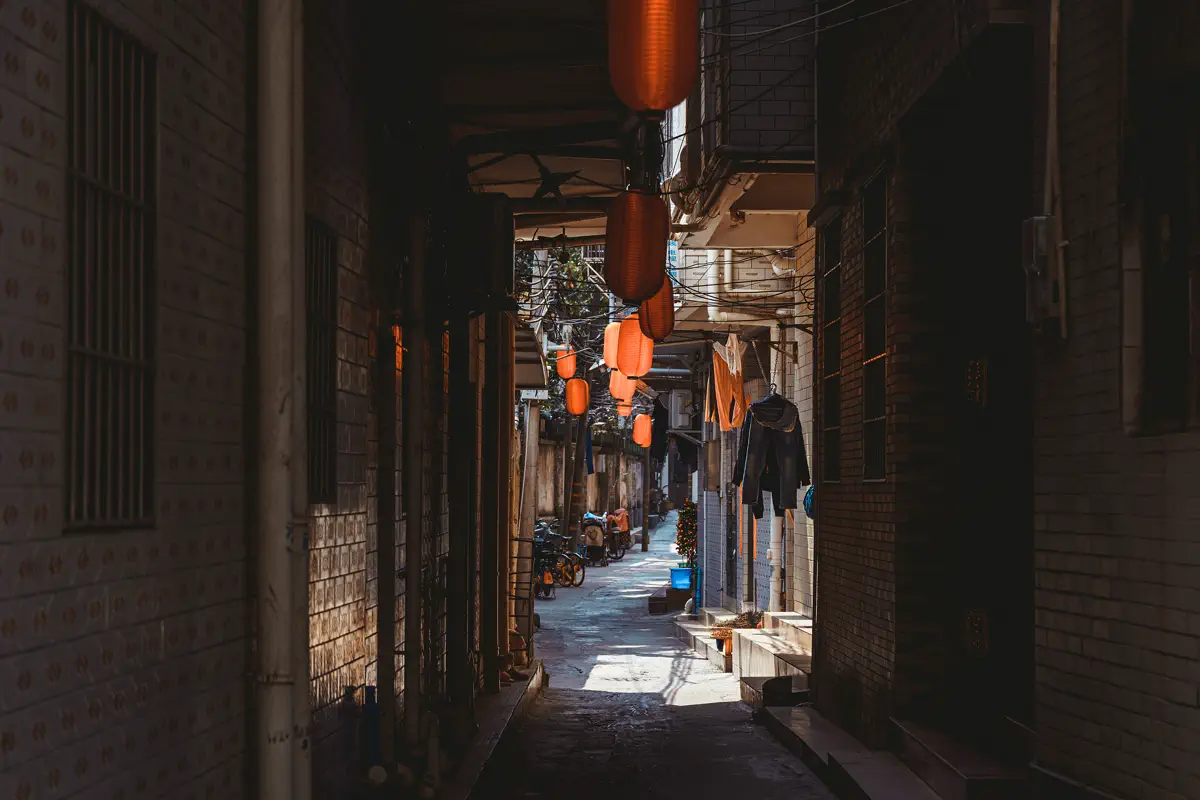
A gentle five-minute walk south along the roadway leads straight into Shenjing Village. Dating back more than seven centuries, this historic settlement preserves traditional comb-style alleyways, ancestral shrines, and Cantonese wok-handle gables.
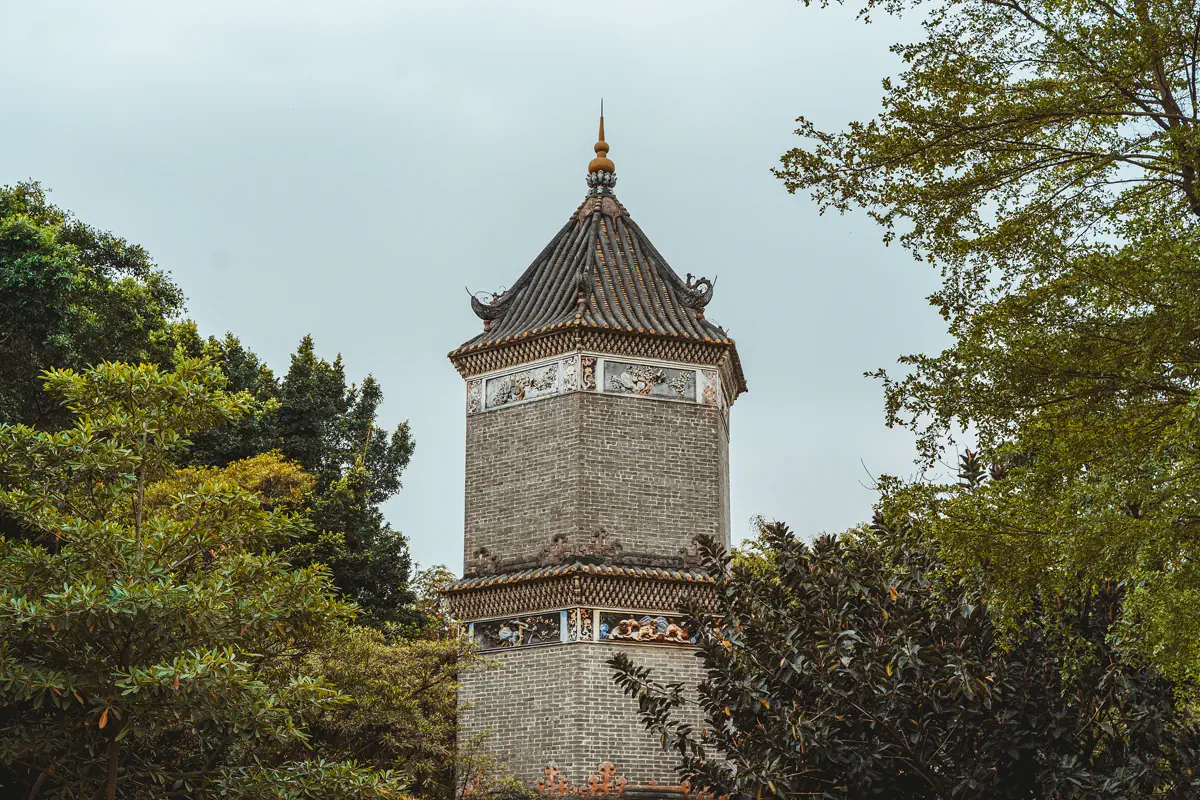
At the village entrance stands the three-story hexagonal Shenjing Pagoda, built of solid grey brick with flared eaves. During imperial eras, the pagoda represented scholarly blessings for local scholars taking civil service examinations. Today it still casts a protective silhouette over the tranquil neighborhood.
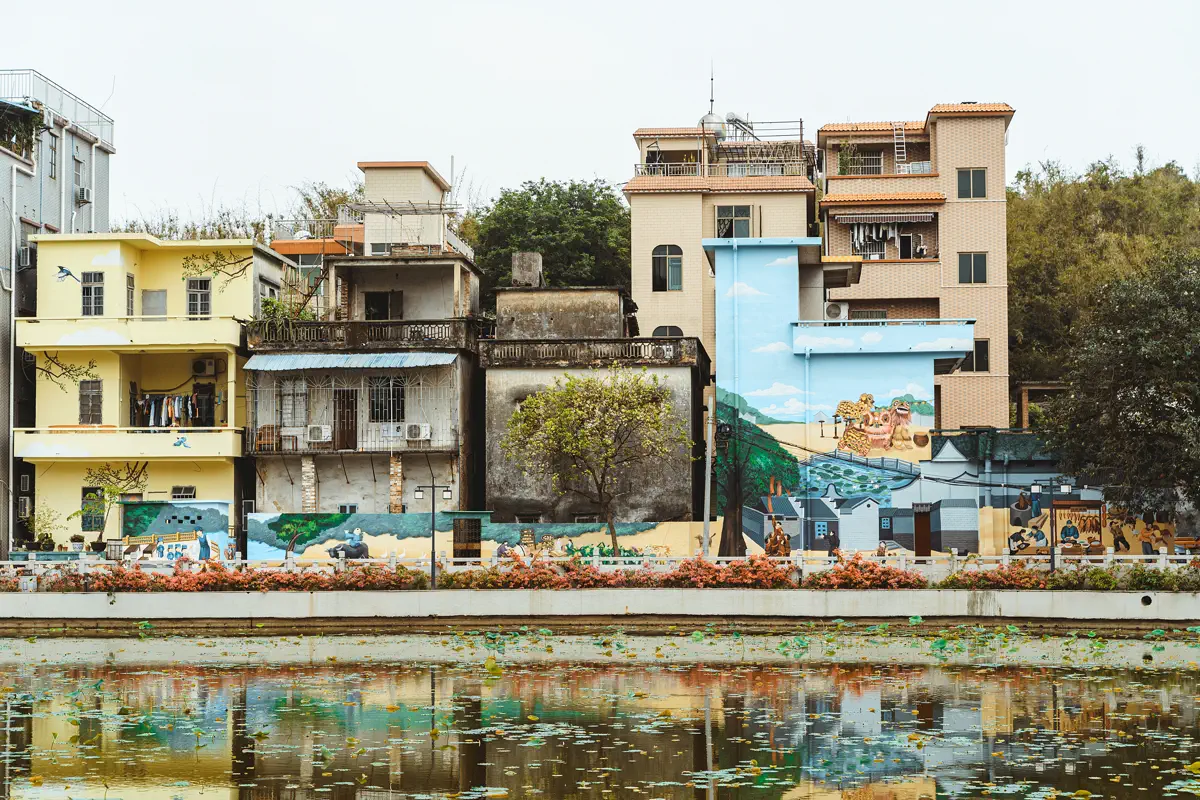
During the nineteenth century when maritime trade flourished between Guangzhou and western ports, many villagers engaged in international shipping and trading guilds. Wealthy merchants returned home to construct distinctive courtyard mansions. These buildings blend traditional brick carvings with western stained glass windows and arched veranda colonnades.
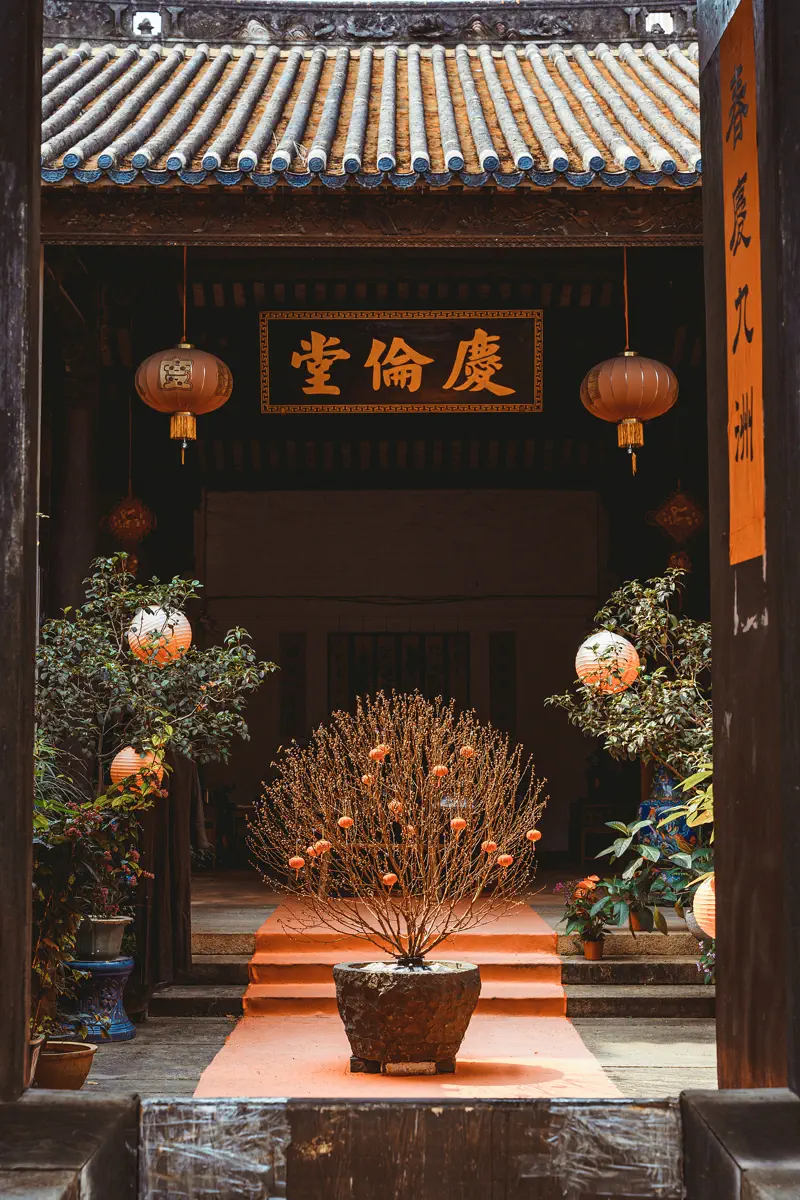
Among the preserved ancestral shrines, Qinglun Hall showcases intricate wood carvings, grey plaster sculptures along roof ridges, and open central courtyards populated with Lingnan potted bonsai. The architectural delicacy here offers an authentic village counterpoint to grand classical estates such as Yuyin Shanfang in Panyu.
Cycling routes and Pearl River ferries
Changzhou Island offers some of the most pleasant cycling routes in Guangzhou. After touring the museum and enjoying lunch in the village, travelers can rent public shared bicycles to ride north along the riverside greenway. The path winds past quiet wetlands, community vegetable gardens, and active naval docks where cargo vessels navigate the wide Pearl River channels.
Public water buses provide an unforgettable way to complete the excursion. From Changzhou Wharf on the northern tip of the island, Water Bus Line S10 crosses frequently to Yuzhu Wharf, connecting back to Metro Line 5. Alternatively, Water Bus Line S11 runs between Shenjing Wharf and Xinzhou Wharf on Haizhu Island. Gliding across the water at dusk offers sweeping river views that stand in sharp aesthetic contrast to urban art centers like the Guangzhou Museum of Art.
Practical visitor information and local dining
The Memorial Museum of 1911 Revolution opens from Tuesday to Sunday between nine in the morning and five in the afternoon, with last entry permitted at four fifteen. The complex remains closed every Monday except on designated national holidays. Free luggage lockers, audio guides, and wheelchair loans are available at the service desk in the lobby.
When dining on Changzhou Island, local specialties in Shenjing Village should not be overlooked. The signature dish is Shenjing roast goose, renowned throughout Guangzhou for crisp mahogany skin and fragrant juices infused with secret herbal seasonings. Other regional favorites include slow-simmered pork ribs soup with night-blooming cereus blossoms, steamed river carp, and handmade tofu pudding.
Because island roadways are mostly narrow two-lane corridors, car traffic can become congested during peak weekend afternoons. Taking Metro Line 7 to Shenjing Station or traveling by passenger ferry remains the most relaxed choice. While walking through the residential lanes of Shenjing Village, visitors should respect private doorways and maintain quiet consideration for local residents.
Frequently asked questions
Is admission to the Memorial Museum of 1911 Revolution free
Admission is completely free of charge. Visitors must register in advance through the official WeChat miniprogramme and present their original passport or national identity card at the entry gate.
How do you reach Changzhou Island by public transit
Take Guangzhou Metro Line 7 directly to Shenjing Station. Exit and walk west along Jinzhou North Road for about ten minutes to reach the museum entrance. You can also take water bus ferry S10 from Yuzhu Wharf or S11 from Xinzhou Wharf.
Can you combine the museum visit with other nearby sites
Changzhou Island brings together the Memorial Museum of 1911 Revolution, the seven-century-old Shenjing Village, and the Whampoa Military Academy, making it ideal for a comprehensive historical day trip.